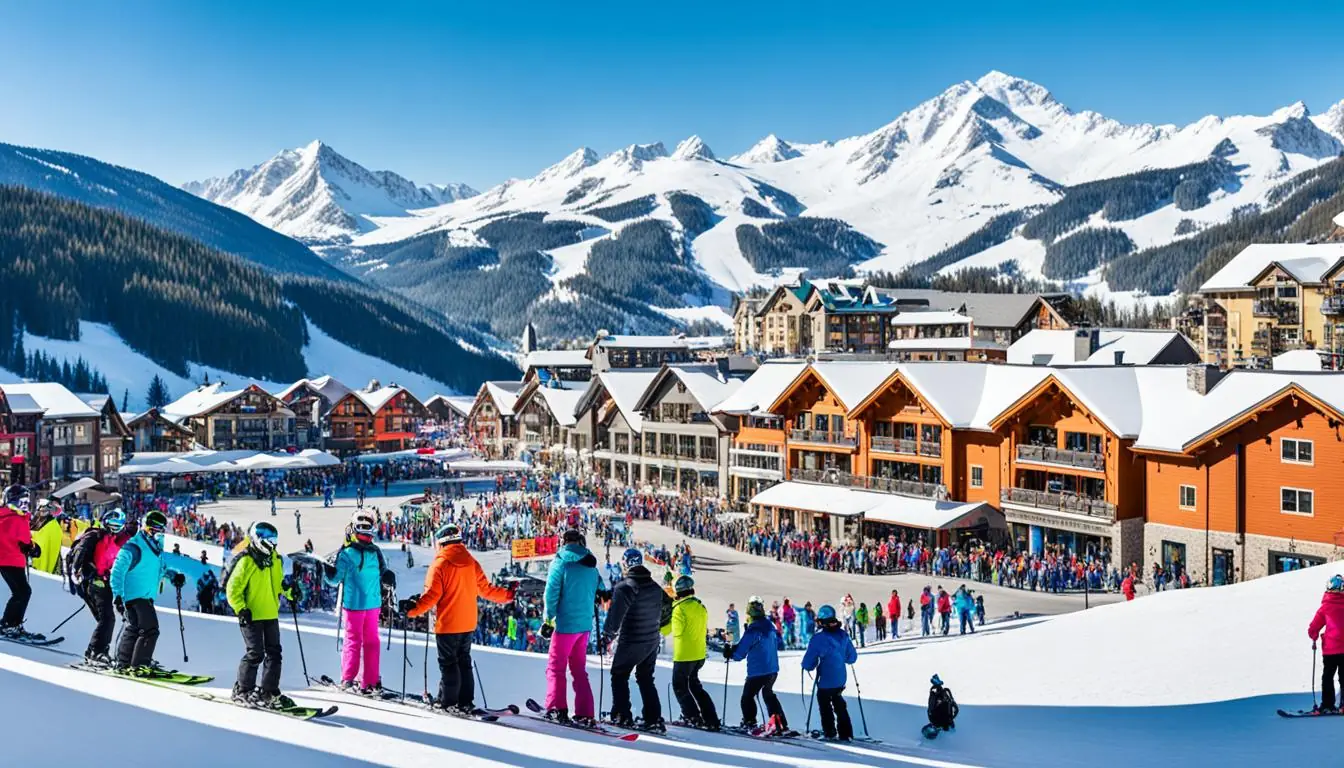
The Definitive Guide to Best Ski Resort Stay Options & Mountain Architecture
Mountain real estate and alpine hospitality operate under severe geographical, environmental, and operational constraints that distinguish them from any other segment of destination travel. Unlike urban commercial hotels designed for year-round business transit or coastal resorts engineered around wide beach footprints, alpine properties must function within steep topography, intense seasonal demand compression, and microclimates characterized by freezing temperatures, heavy snow loading, and volatile access corridors. Selecting accommodations in an alpine valley requires far more than comparing nightly rates or reviewing static room photos; it demands an understanding of vertical transit connectivity, snowpack reliability, valley micro-urbanism, and structural logistics.
Navigating ski lodging requires evaluating how physical access points align with mountain infrastructure. A luxury property situated five miles down-valley from a gondola base may offer opulent interior finishes, yet it introduces significant daily logistical friction. Guests must navigate frozen access roads, congested mountain transit hubs, and overcrowded parking structures while carrying heavy equipment. Conversely, a modest ski-in, ski-out condominium directly adjacent to a high-speed express quad eliminates transit overhead entirely, fundamentally altering the daily velocity of the ski experience.
Furthermore, alpine lodging economics are governed by extreme yield management dynamics. This economic pressure drives complex pricing structures, unbundled resort fee additions, rigid cancellation protocols, and strict minimum-stay mandates. This reference guide establishes an exhaustive analytical methodology for evaluating alpine lodging inventory and distribution models. By deconstructing vertical transport connectivity, room inventory typologies, cost structures, and environmental risk factors, this document serves as a definitive resource for skiers, travel planners, and hospitality analysts seeking structural clarity in mountain travel.
Understanding “best ski resort stay options.”
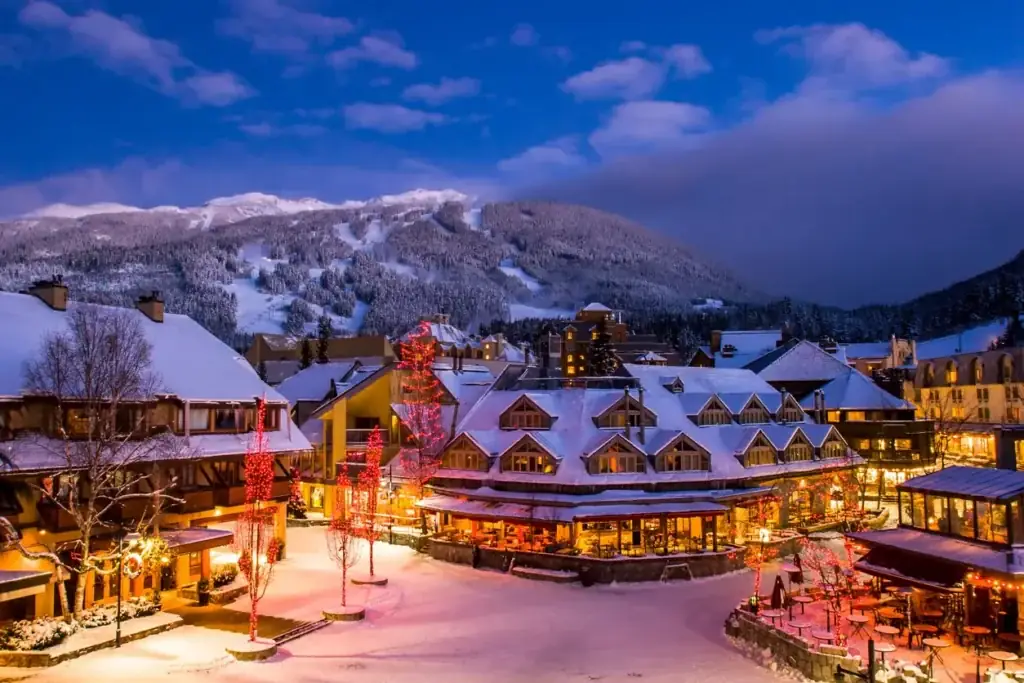
The directive to evaluate the best ski resort stay options is routinely reduced in consumer media to superficial lists of slope-side luxury hotels or generic aggregations of customer star ratings. From an architectural, logistics, and asset-evaluation standpoint, identifying optimal accommodation requires a multi-layered analysis of spatial orientation, vertical transport access, mechanical equipment storage, and thermal comfort. What constitutes an optimal choice depends on skier ability, group composition, dietary autonomy preferences, and tolerance for transit friction.
Evaluating alpine lodging inventory involves analyzing three distinct operational layers:
-
Vertical Transit and Spatial Orientation: Determining whether a property provides direct ski-in/ski-out access via a maintained snow trail, requires a short walking route over dry pavement or icy stairs in ski boots, or relies on scheduled shuttle transport to reach the primary lift base.
-
Equipment Management Infrastructure: Assessing whether the property integrates dedicated, heated equipment lockers, automated boot dryers, tune benches, and valet transfer systems, or forces guests to store wet gear inside primary living spaces.
-
Fiscal and Inclusion Governance: Distinguishing between fully integrated pricing structures that bundle parking, locker access, spa entry, and breakfast options versus unbundled rate models that charge heavy secondary surcharges at check-out.
Dynamic operational shifts across the winter season are also frequently under-analyzed. An alpine property that functions seamlessly during early-season powder windows can experience severe operational strain during peak holiday weeks. This manifests as long elevator queues, depleted hot water systems, crowded ski storage rooms, and overloaded dining outlets. Evaluating alpine stays requires assessing how a property’s physical layout, heating infrastructure, and labor model perform under peak operational load.
Deep Contextual Background: The Evolution of Alpine Hospitality Assets
The architecture of mountain hospitality has evolved through distinct technological, economic, and real estate shifts over the past century. Alpine tourism originated in 19th-century European mountain valleys, where thermal sanatoriums and historic grand hotels in places like St. Moritz and Chamonix catered to summer elites and early winter mountaineers. These early grand structures were positioned near valley floors for rail access, operating under formal full-board schedules with centralized main-building layouts.
The mid-20th-century development of mechanical uphill transport, specifically overhead cable cars, surface T-bars, and chairlifts,s fundamentally altered mountain spatial design. Skiing transitioned from a niche mountaineering activity to a mass-market recreation industry. This shift prompted the construction of purpose-built ski resorts across North America and Europe. Real estate developers introduced fractional ownership, condo-hotel hybrid structures, and branded residential developments. Concurrently, major multi-resort pass consolidations altered regional travel patterns, driving high occupancy across network destinations.
Conceptual Frameworks and Mental Models for Alpine Lodging Evaluation
Systematic evaluation of ski accommodation requires analytical mental models that look beyond interface photography to isolate the primary drivers of operational efficiency and guest satisfaction.
1. The Vertical Access Friction Index (VAFI)
This model calculates the time, physical effort, and logistical steps required to move from a guest’s room onto the primary uphill lift system in full ski gear. Properties with a zero friction index allow guests to click into skis directly outside a locker door. Calculating this index exposes whether a property offers genuine ski-in/ski-out convenience or high-friction transit.
2. The Equipment Drying and Storage Velocity (EDSV)
This framework evaluates a property’s thermal capacity to dry, store, and secure wet outer gear and boots overnight. High-velocity systems feature dedicated forced-air heated boot trees, ambient-controlled locker rooms, and secure ski racks. Low-velocity accommodations lack dedicated gear infrastructure, forcing guests to bring wet equipment into bedrooms or unheated entryways, which leads to cold, damp gear the following morning and accelerated physical wear on apparel.
3. The Unbundled Alpine Expense Metric (UAEM)
This framework measures the proportion of mandatory or incidental fees added to the base room rate for mountain-specific services. A property advertising a low baseline room rate may impose compulsory resort fees, mandatory valet parking charges, daily ski storage fees, and marked-up breakfast tariffs. A transparent billing structure allows buyers to evaluate total daily stay costs upfront without experiencing micro-transaction fatigue at check-out.
Key Categories and Structural Variations in Ski Accommodation
The alpine hospitality landscape encompasses distinct accommodation typologies, each engineered to balance spatial footprints, guest demographics, service delivery, and real estate investment models.
| Accommodation Category | Primary Business Model | Spatial Footprint | Access Mechanics | Primary Trade-off / Vulnerability |
| Slope-Side Ski-In/Ski-Out Hotel | Full-service commercial hospitality | Multi-story hotel, base-zone location | Direct snow access from locker room | Premium pricing; high public foot-traffic near base |
| Alpine Condominium / Apartment | Vacation rental / Condo-hotel pool | Multi-room suite with full kitchen | Variable (Ski-in/out to short walk) | Inconsistent maintenance; variable decor quality |
| Freestanding Luxury Chalet | High-end exclusive rental | Multi-story private residence | Requires dedicated driver/shuttle | High cost; isolated from central village amenities |
| Village Center Boutique Hotel | Commercial boutique hospitality | Mid-rise urban layout in pedestrian zone | Short walk through village to lifts | Gear carriage through pedestrian zones; noise from nightlife |
| Valley Floor Commercial Hotel | Select-service / Mid-tier chain | Standard hotel inventory, off-mountain | Requires driving or public bus transfer | High transit friction; vulnerability to morning road traffic |
| Hostel / Shared Alpine Lodge | Budget hospitality, communal living | Dormitory or compact private rooms | Public transit / Shuttle dependent | Shared facilities; limited privacy and storage space |
Realistic Decision Logic for Category Selection
Navigating these accommodation options requires matching travel parameters with physical mountain layouts:
-
Prioritizing Maximum Time on Snow & Convenience: Select Slope-Side Ski-In/Ski-Out Hotels or Ski-In/Ski-Out Condominiums. These properties eliminate morning transit delays, allow easy return during the day for gear adjustments or rest, and maximize ski hours, making them ideal for families with young children or dedicated performance skiers.
-
Multi-Generational Groups Seeking Dietary Autonomy: Choose Multi-Bedroom Alpine Condominiums or Freestanding Luxury Chalets equipped with full kitchens, multiple bathrooms, and separate living spaces. This allows families to prepare meals on-property, reducing dining reservation stress during peak dinner hours.
-
Budget-Conscious Travel with Long-Stay Horizons: Deploy Valley Floor Commercial Hotels or Shared Alpine Lodges situated along free regional bus routes. This strategy captures lower nightly tariffs while accepting minor morning transit delays in exchange for reduced financial expenditure.
Detailed Real-World Scenarios and Operational Stress Testing
To analyze how alpine accommodation structures perform under real-world conditions, consider four detailed operational scenarios involving specific constraints, decision points, and potential failure modes.
Peak Holiday Capacity with Young Children at a Slope-Side Condo
-
Constraints: Traveling with two children under eight years old during Christmas holiday week; non-negotiable need for easy ski school access, frequent rest breaks, and simple meal logistics.
-
Decision Points: Deciding between a true slope-side two-bedroom condominium versus a cheaper, larger house located a ten-minute shuttle ride down-valley.
-
Failure Modes: Booking the down-valley house to save twenty-five percent on nightly rates. The family faces morning parking gridlock, crowded shuttle buses, and carrying multiple sets of children’s gear across icy parking lots, causing physical exhaustion before reaching the lifts.
-
Second-Order Effects: Mid-day rest breaks become impossible due to the transit barrier, forcing the family to cut ski days short and spend heavily on mountain-day lodge dining.
Severe Winter Storm and Access Corridor Closure
-
Constraints: Staying at a high-altitude ski lodge accessible via a single mountain canyon road during an extreme 48-hour winter blizzard.
-
Decision Points: Selecting a self-contained lodge with on-property dining and equipment rentals versus a valley-floor hotel dependent on daily mountain transit.
-
Failure Modes: The mountain access road closes due to avalanche control work. Guests staying at valley-floor hotels are stranded below, unable to access the mountain despite possessing valid lift passes.
-
Second-Order Effects: Slope-side guests enjoy uncrowded powder skiing on upper lifts, while valley-floor travelers spend peak vacation days in traffic queues waiting for road clearance.
High-Occupancy Vehicle Parking and Gear Storage Bottlenecks
-
Constraints: A group of four adults driving a large SUV with ski boxes to a village-center boutique hotel with limited subterranean parking.
-
Decision Points: Verifying vehicle height clearances and ski storage rules before arrival versus assuming standard hotel amenities apply.
-
Failure Modes: The vehicle exceeds subterranean garage height limits, forcing the group to park in an unheated, uncovered public lot half a mile away for a substantial daily fee.
-
Second-Order Effects: Skis and boots remain locked in the vehicle overnight in sub-zero temperatures, resulting in frozen boots that are impossible to put on the following morning.
Shoulder-Season Early Closure and Natural Snow Deficit
-
Constraints: Booking an early-December or late-April ski trip at a low-elevation mountain destination to capture discounted spring rates.
-
Decision Points: Selecting a property positioned near high-altitude, snowmaking-dense upper mountain zones versus a lower-elevation village center lodge.
-
Failure Modes: Unseasonably warm temperatures melt lower mountain trails. Ski-in/ski-out trails connecting the lower village melt out completely, forcing guests to disembark on gondolas or walk through mud.
-
Second-Order Effects: Advertised slope-side convenience vanishes, and guests face crowded bottleneck transport on remaining operating lifts.
Planning, Cost Dynamics, and Economic Variability in Alpine Markets
Managing financial outlays in alpine real estate markets requires a granular understanding of direct room rates, secondary surcharges, dynamic pricing algorithms, and seasonal yield structures.
Direct vs. Indirect Cost Architecture
The baseline room rate represents only a portion of total financial expenditure in an alpine resort market. Understanding the distinction between direct lodging charges and secondary operational fees is essential for accurate budgeting.
Direct costs cover baseline suite inventory and property management charges. Compulsory daily resort fees originally introduced to cover basic pool access and Wi, Fi—have expanded in alpine markets to cover ski storage, shuttle dispatch, and lobby hot beverages. Additionally, overnight parking fees in high-density mountain villages can add substantial daily charges to a final bill.
| Expense Category | Low-Volume Shoulder Season | Peak Holiday Season | Primary Variance Drivers |
| Base Room Rate (Per Night) | $150 – $350 | $600 – $2,500+ | Inventory location, ski-in/out status, holiday demand |
| Mandatory Resort / Facility Fee | $20 – $40 / night | $40 – $100 / night | Property class, amenity inclusions, locker access |
| Overnight Parking (Valet/Self) | $15 – $35 / night | $40 – $90 / night | Garage height, village centrality, space scarcity |
| Equipment Locker / Valet Fee | Included / $10 | $20 – $50 / day | On-mountain placement, heated boot drying systems |
| On-Property Sustenance Outlay | $40 – $80 / person | $100 – $250 / person | A la carte dining markups, breakfast inclusions |
Tools, Strategies, and Technical Support Infrastructure
Systematic price discovery, spatial evaluation, and inventory verification require using specialized digital tools and analytical strategies, alongside an understanding of their operational limits.
-
Trail Map and Topographical GIS Overlay Tools
-
Utility: Cross-referencing property coordinates against official resort trail maps and topographical contours verifies genuine ski-in/ski-out capability versus marketing claims.
-
Limits: Static trail maps do not show seasonal snowmelt patterns, roped-off boundaries, or steep physical drop-offs between trails and buildings.
-
-
Direct Mountain Property Management Systems (PMS)
-
Utility: Booking directly through on-mountain resort management companies often secures bundled lift-ticket discounts, preferred parking access, and direct concierge support.
-
Limits: Direct management sites can lack the user interface polish and aggregated price comparisons of major third-party OTAs.
-
-
High-Resolution Satellite and Webcam Feeds
-
Utility: Reviewing live mountain webcams and satellite imagery allows travelers to inspect actual snow cover on access trails and gauge parking congestion in real time.
-
Limits: Webcams provide localized views and may not capture lower-elevation access trail melting or temporary maintenance closures.
-
-
Third-Party Rental Agreement Verification
-
Utility: Inspecting fine-print short-term rental contracts clarifies cancellation schedules, snow-guarantee clauses, and emergency road-closure refund protections.
-
Limits: Legal terms can be complex, and cancellation cut-offs are often strictly enforced regardless of weather disruptions.
-
-
Multi-Resort Pass Lodging Discount Platforms
-
Utility: Utilizing passholder-exclusive portal discounts can yield significant savings on resort-owned lodging inventory across partner mountains.
-
Limits: Discounted passholder inventory sells out rapidly for peak holiday windows and key weekend dates.
-
-
Real-Time Mountain Transit and Traffic Apps
-
Utility: Monitoring regional department of transportation feeds helps anticipate canyon road closures, chain law enforcement, and shuttle delays.
-
Limits: Mobile data coverage can drop in remote mountain passes, reducing real-time update reliability.
-
Risk Landscape, Failure Modes, and Compounding Disruption
The operational environment of mountain hospitality contains systemic risks that can compromise physical comfort, financial investments, and safety.
Taxonomy of Alpine Failure Modes
-
Snow Deficit and Elevation Incompatibility: Low-elevation properties relying on natural snow cover become unusable during unseasonably warm periods, destroying advertised ski-in/ski-out functionality.
-
Access Corridor Isolation: Mountain passes and canyon access roads can be closed by avalanches, mudslides, or jackknifed vehicles, trapping travelers in valley transit loops.
-
HVAC and Mechanical Freezing: Extreme sub-zero temperatures can overwhelm building heating plants, freeze domestic plumbing pipes, and paralyze outdoor hot tubs.
-
Understaffing During Peak Yield Windows: Regional labor shortages and housing deficits for resort workers can lead to slow front-desk check-ins, delayed housekeeping cycles, and reduced restaurant operating hours.
Operational disruption rarely occurs in isolation. A severe winter storm can cause avalanche control road closures, blocking valley supply trucks. This supply delay coincides with increased guest volume trapped on-property, overloading kitchen inventories and housekeeping staff. If building heating systems experience mechanical strain simultaneously, the property faces a complete operational breakdown during peak revenue windows.
Governance, Maintenance, and Seasonal Adaptation
Sustaining high-quality operations in mountain environments requires continuous property maintenance, rigorous winterization protocols, and clear governance structures.
-
Pre-Season Winterization Audit: Inspecting heating boilers, clearing snow-shed roof zones, testing heated driveway coils, and servicing emergency backup generators prior to first snowfall.
-
Continuous Mid-Season Maintenance: Daily snow clearing from access stairs, ice melting on walkways, monitoring boot dryer thermal elements, and managing locker room humidity levels.
-
Post-Season De-Winterization and Deep Repair: Inspecting structural roofs for ice-dam damage, repairing water-damaged entryways, servicing summer HVAC systems, and executing deep room refurbishments.
Pre-Arrival Verification Checklist
To evaluate whether an alpine accommodation will perform as expected, complete a targeted verification using the following criteria before committing capital:
-
Direct Ski-Access Verification: Confirm with on-property staff whether ski-in/ski-out trails are currently open and covered by snowmaking, or if walking is required.
-
Equipment Management Confirmation: Verify that the property provides secure, heated gear storage and clear rules regarding skis and boots in guest rooms.
-
Vehicle & Parking Height Inspection: Confirm subterranean parking garage height limits and verify whether winter tires or four-wheel drive are legally required for property access.
-
Check-In & Transit Verification: Confirm late-arrival procedures in the event of winter storm road delays, ensuring front-desk access remains available after hours.
Measurement, Tracking, and Evaluation Frameworks
Evaluating whether an alpine accommodation delivers on its value proposition requires tracking both quantitative financial metrics and qualitative experience indicators.
Quantitative vs. Qualitative Metrics
Quantitative metrics include the Vertical Access Friction Index, Net Daily Stay Cost (combining baseline rate, parking, fees, and food markups), Equipment Drying Velocity, and Transit Delay Times. Qualitative signals encompass Morning Departure Ease, Acoustic Insulation against snowplows and night grooming machines, Spatial Comfort in gear storage areas, and Thermal Consistency in guest rooms.
Leading vs. Lagging Indicators
Historical online review scores and star ratings serve as lagging indicators, reflecting past operational conditions. Leading signals—such as proactive pre-arrival outreach detailing road chain laws, transparent fee disclosures, live webcam transparency, and low staff turnover—provide a far more accurate real-time measure of current property quality.
Common Misconceptions and Structural Oversimplifications
Navigating the mountain lodging market requires dismantling several persistent myths promoted by conventional marketing channels.
- Myth 1: “Ski-In/Ski-Out” Always Means Effortless, Step-Out Access
-
Correction: Marketing materials routinely label properties as “ski-in/ski-out” if they sit within walking distance of a trail. True ski-in/ski-out requires zero pavement walking, continuous snow cover, and manageable terrain suitable for all skill levels.
- Myth 2: Staying in the Valley Floor Is Always Cheaper Than Slope-Side
-
Correction: While base room rates down-valley appear lower, secondary costs such as daily mountain parking fees, gas outlays, shuttle tickets, paid equipment storage at the base, and lost skiing time often erode the financial advantage of off-mountain lodging.
- Myth 3: Heated Garages Eliminate the Need for Winter Vehicle Preparation
-
Correction: While heated garages keep vehicles warm overnight, driving on icy mountain passes still requires proper winter tires, all-wheel drive, and emergency winter gear.
- Myth 4: All Slope-Side Properties Are Ideal for Beginners
-
Correction: Many slope-side accommodations access advanced or expert terrain.
Ethical, Environmental, and Community Market Considerations
Alpine real estate developments exert significant footprints on high-altitude ecosystems and local mountain communities. Evaluating lodging options includes considering how properties manage these responsibilities.
Local Housing Mechanics and Workforce Equity
The expansion of short-term vacation rentals in mountain valleys has severely constrained affordable housing inventories for local hospitality workers, seasonal ski instructors, and municipal staff. Responsible properties invest in dedicated workforce housing, pay fair living wages, and maintain sustainable operational models that support local community stability.
Environmental Stewardship & Resource Conservation
Operating high-altitude resorts consumes substantial energy for snowmaking, heating, and vehicle transit. Sustainable alpine accommodations utilize renewable energy microgrids, high-efficiency building insulation, low-flow water fixtures, and comprehensive waste recycling programs to minimize their ecological footprint in fragile mountain environments.
Strategic Conclusion and Operational Synthesis
Structured evaluation is essential when selecting the best ski resort stay options, moving past superficial marketing photos and promotional checklists. Identifying an optimal choice demands an analytical evaluation of vertical access mechanics, equipment management systems, total cost architecture, and seasonal environmental resilience.
By applying structured evaluation frameworks—such as the Vertical Access Friction Index and the Unbundled Alpine Expense Metric—travelers and travel planners can align expectations with operational realities. Matching individual skiing ability, group dynamics, and logistical preferences with the appropriate mountain architecture ensures a predictable, efficient, and deeply satisfying alpine travel experience.