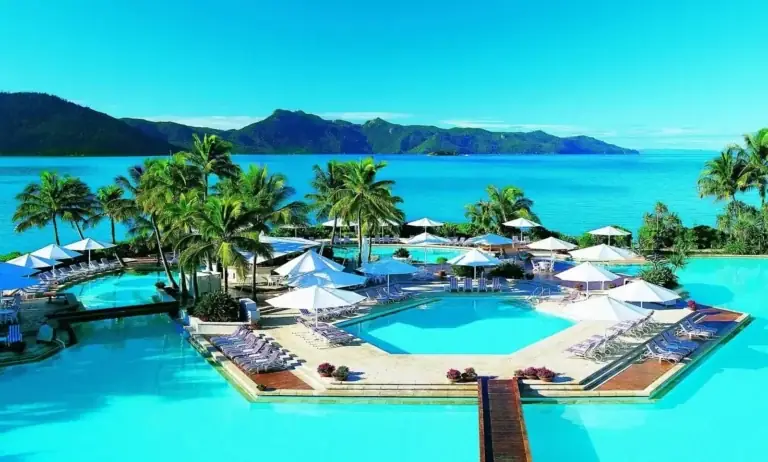
The Definitive Guide to Compare Eco Resort Packages & Architecture
Sustainable hospitality operates at a complex intersection of microgrid engineering, localized biodiversity conservation, indigenous labor ethics, and low-impact building design. Unlike conventional resort properties engineered primarily around municipal utility grids and high-density room turnover, true eco-resorts function as self-contained ecological micro-systems. They must balance guest comfort, waste remediation, off-grid water production, and natural habitat protection without shifting operational burdens onto surrounding communities.
Evaluating sustainable destination stays requires looking past surface-level marketing claims and superficial green certifications. The eco-hospitality market spans a broad spectrum of property models, ranging from off-grid rainforest canopy lodges and low-impact marine sanctuaries to luxury glamping retreats, permaculture farm estates, and high-density commercial resorts featuring basic carbon offset programs. Each configuration operates under distinct cost structures, environmental footprint profiles, and service delivery mechanisms.
When consumers, travel planners, or corporate buyers evaluate these offers without an analytical framework, they frequently encounter misalignments between advertised sustainability claims and actual operational performance. These misalignments often surface as hidden secondary surcharges, unexpected environmental trade-offs, compromised comfort, or greenwashing disguise.
This reference guide establishes a methodology for evaluating sustainable resort packages. By analyzing environmental asset design, cost dynamics, risk management, and service delivery systems, this article serves as a definitive resource for travelers, travel designers, and hospitality analysts seeking structural clarity in eco-resort selection.
Understanding “compare eco resort packages.”
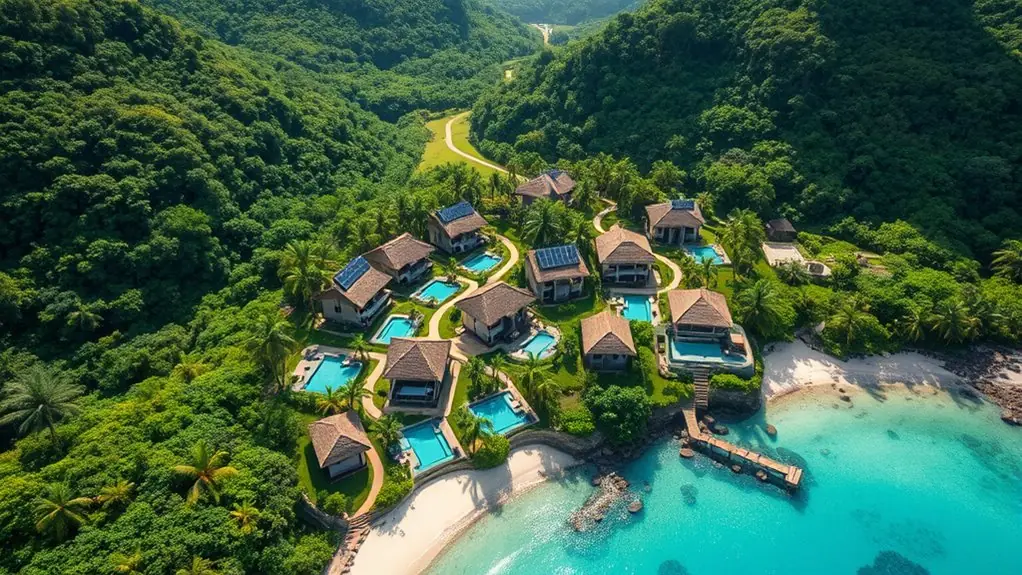
The decision to compare eco resort packages is frequently reduced in consumer media to superficial checklists of green amenities or generic lists of properties with solar panels. From an operational, environmental, and asset-evaluation standpoint, however, identifying optimal value requires a multi-layered analytical approach. What constitutes a high-performing sustainable package varies fundamentally depending on location dynamics, energy grid independence, conservation integration, activity preferences, and required physical comfort.
Evaluating eco-resort plans involves examining three core operational dimensions:
-
Authentic Ecological Integration vs. Greenwashing: Verifying whether a property operates genuinely sustainable water harvesting, microgrid electrification, zero single-use plastic, and waste remediation systems, or merely relies on superficial linen-reuse policies and unverified carbon offsets.
-
Inclusion Scope and Fine-Print Boundaries: Assessing whether a package rate includes guided conservation excursions, park entry fees, scientific research access, organic meals, and specialized transfers, or imposes secondary daily surcharges for basic activities.
-
Community Economic Leakage Mitigation: Evaluating the percentage of total package revenue retained within host communities through direct local employment, indigenous partnership, and local food procurement.
A common failure mode in evaluating eco-resorts is assuming that high nightly rates or rustic architectural finishes automatically guarantee genuine environmental performance. A high-tier luxury eco-lodge may build beautiful timber villas while importing bottled water and relying on diesel generators for continuous air conditioning. Conversely, a minimalist research lodge can deliver exceptional ecological value through off-grid solar-battery setups, greywater wetlands, and direct habitat restoration, despite modest room finishes.
Furthermore, dynamic operational shifts across seasonal weather cycles are frequently overlooked. An eco-resort that delivers a seamless experience during dry seasons can suffer from power instability, water shortages, or transport breakdowns during extreme monsoon or drought periods. Evaluating sustainable packages requires assessing how a property’s physical infrastructure and operational model perform under environmental stress.
Deep Contextual Background: The Evolution of Sustainable Destination Hospitality
The modern eco-resort model is the result of distinct economic, ecological, and technological shifts over the past five decades. The concept emerged in the 1970s and 1980s alongside early environmental conservation movements, particularly in regions like Costa Rica, East Africa, and the South Pacific. Early eco-lodges were often primitive, built primarily to house scientific researchers, field biologists, and rugged adventure travelers seeking access to pristine rainforests or wildlife reserves. Operational models relied on basic solar setups, composting toilets, and local food sourcing out of logistical necessity.
During the 1990s and early 2000s, commercial hospitality developers recognized growing consumer interest in nature travel, leading to the rapid expansion of eco-tourism. However, this growth was accompanied by widespread “greenwashing,” a trend where conventional properties adopted environmental rhetoric without making structural investments in sustainable infrastructure. In response, global bodies established formal certification frameworks to evaluate energy efficiency, waste management, and social impact.
In the 2010s and 2020s, technological advancements in renewable energy microgrids, battery storage, reverse-osmosis desalination, and sustainable architectural materials transformed the industry. These innovations allowed developers to build luxury off-grid resorts that offer high-end comfort alongside low environmental footprints. Today, evaluating eco-resort packages requires navigating a diverse market spanning primitive wilderness camps, high-end off-grid luxury sanctuaries, permaculture agricultural estates, and commercial resort complexes featuring partial green certifications.
Conceptual Frameworks and Mental Models for Eco-Asset Valuation
Systematic evaluation of sustainable resort inventory requires mental models that move beyond promotional photography to isolate the primary drivers of operational consistency and authentic environmental value.
1. The True Off-Grid Autonomy Ratio (TOAR)
This framework measures the percentage of a property’s utility inputs (electricity, water, waste treatment) generated or remediated on-site without relying on external fossil fuel delivery or municipal systems. High-autonomy properties utilize integrated solar-battery microgrids, rainwater catchment, and constructed wetland filtration, operating with minimal environmental footprint. Low-autonomy models rely on diesel generators, imported bottled water, or trucked waste disposal disguised behind luxury finishes.
2. The Ecological Realization Index (ERI)
This model calculates the ratio between the open-market value of sustainability-focused activities a guest actually consumes—such as guided biologist excursions, scientific field research, diving with marine conservation teams, or permaculture workshops—and the package premium paid above baseline room rates. If a traveler pays a high rate for an eco-package but spends their entire stay at a standard swimming pool, their realization index remains low.
3. The Local Economic Retention Metric (LERM)
This framework measures the proportion of package revenue that remains within the immediate destination ecosystem versus leaving the country in corporate commissions. High-retention properties employ residents in managerial roles, source food from local agricultural co-ops, and direct package surcharges into regional conservation funds. Low-retention properties extract high package revenues while remitting profits to foreign corporate owners and importing basic supplies.
Key Categories and Structural Variations in Eco-Resort Packages
The sustainable hospitality landscape features distinct operational models, each structured to balance spatial footprints, guest demographics, service delivery, and conservation goals.
| Package Category | Primary Target Demographic | Infrastructure Footprint | Financial Structure | Primary Trade-Off / Vulnerability |
| Off-Grid Luxury Sanctuary | High-net-worth eco-tourists, couples | Advanced solar/battery microgrid, ultra-low density | High-tier inclusive rates with dedicated guided tours | High upfront cost; complex logistics during prolonged rain/cloud |
| Conservation & Research Lodge | Eco-enthusiasts, scientific travelers | Low-impact field station cabins, natural reserves | Package pricing inclusive of research participation | Modest room amenities; fixed schedules tied to field work |
| Permaculture & Farm Estate | Culinary travelers, wellness seekers | Agricultural campus, farm-to-table dining facilities | Inclusive or semi-inclusive program packages | Seasonal food availability shifts; rural access limits |
| Marine & Island Eco-Resort | Scuba divers, marine enthusiasts | Low-impact coastal structures, micro-desalination | Inclusive of marine park fees, boat charters, diving | Vulnerable to storm events, reef bleaching, and marine tides |
| Luxury Safari / Glamping Camp | Wildlife enthusiasts, adventure travelers | Semi-permanent canvas structures, seasonal sites | Comprehensive single-price bundled model | Seasonal site closures; variable wildlife sighting probabilities |
| Commercial Green-Certified Hotel | General leisure, business travelers | High-density urban/coastal building, grid-connected | Unbundled European Plan + optional green add-ons | Moderate sustainability impact; shared commercial facilities |
Realistic Decision Logic for Category Selection
Navigating these variations requires matching personal priorities with operational property realities:
-
Prioritizing Absolute Environmental Integrity & Comfort: Select Off-Grid Luxury Sanctuaries featuring certified solar-battery microgrids, closed-loop waste treatment, and high staff-to-guest ratios. Avoid commercial green-certified hotels, as their sustainability impact is often limited by high-density building infrastructure.
-
Focusing on Active Wildlife & Conservation Work: Choose Conservation & Research Lodges or Marine Eco-Resorts that include field excursions with resident biologists or marine scientists in their base package rate. Specialized field lodges offer authentic environmental access that luxury leisure resorts cannot replicate.
-
Seeking Culinary & Farm Integration: Opt for Permaculture & Farm Estates where meal plans revolve entirely around on-site bio-intensive gardens and local organic farms. This provides a deep connection to regional agriculture while supporting local food security.
Detailed Real-World Scenarios and Operational Stress Testing
To analyze how eco-resort package structures perform under real-world conditions, consider four detailed operational scenarios involving specific constraints, decision points, and potential failure modes.
Microgrid Failure During Unseasonal Weather Events
-
Constraints: Staying at a high-end, off-grid rainforest lodge relying entirely on solar power during an extended unseasonal storm system featuring seven consecutive days of heavy cloud cover and rain.
-
Decision Points: Deciding whether the resort should run backup diesel generators to maintain full guest air conditioning or implement power-rationing protocols to preserve battery reserves for essential lighting and refrigeration.
-
Failure Modes: The property lacks sufficient backup battery capacity and fails to communicate power rationing clearly. Air conditioning units shut down unexpectedly, creating high humidity and discomfort in guest cabins.
-
Second-Order Effects: Guests experience sleep disruption, and the resort is forced to run loud diesel generators continuously, destroying the peaceful quiet of the natural environment and invalidating its zero-carbon positioning.
Environmental Degradation at a Marine Eco-Resort
-
Constraints: A week-long stay at an island eco-resort focused on coral reef diving, where an unseasonal marine heatwave triggers coral bleaching along the property’s house reef.
-
Decision Points: Balancing advertised diving inclusions against the ethical need to restrict human activity on stressed reef ecosystems.
-
Failure Modes: The resort continues operating high-volume motorized dive charters directly over bleached reef zones to fulfill package promises, accelerating coral damage and causing guest backlash.
-
Second-Order Effects: Scientific conservation credentials are ruined, leading to negative reviews from environmental travelers and long-term damage to the resort’s primary natural asset.
Greenwashing and Unbundled Fee Surcharges
-
Constraints: Booking an advertised “sustainable eco-package” at a commercial coastal resort that claims zero-waste operations.
-
Decision Points: Selecting an unbundled room rate while planning to pay for meals and activities a la carte, versus selecting a fully inclusive rate at an accredited off-grid eco-lodge.
-
Failure Modes: Upon arrival, the guest discovers that the resort charges $15 daily for filtered water bottles, $30 for solar-heated pool access, $50 for mandatory environmental conservation fees, and relies on unsegregated landfill waste disposal.
-
Second-Order Effects: The traveler faces micro-transaction friction and unexpected costs, realizing the property’s “eco” claims are a marketing strategy rather than an operational commitment.
High-Intensity Expedition Travel at a Remote Wildlife Lodge
-
Constraints: Booking a wilderness safari package that includes twice-daily guided game drives, walking safaris, and community visits.
-
Decision Points: Balancing a dense schedule of included outdoor excursions against physical fatigue and harsh seasonal heat.
-
Failure Modes: The lodge enforces rigid, unchangeable excursion schedules during peak mid-day heat, resulting in heat exhaustion among guests and missed community visits.
-
Second-Order Effects: Guests abandon pre-paid afternoon excursions to stay in camp, turning an intended active wildlife experience into a frustrating delay.
Financial Engineering, Cost Dynamics, and Economic Variability
Evaluating eco-resort packages requires a clear understanding of the financial structures governing room pricing, secondary charges, and seasonal rate fluctuations.
Direct vs. Indirect Cost Architecture
The baseline room rate represents only part of total financial expenditure at an eco-resort property. Understanding the distinction between direct room charges and indirect property fees is essential for accurate budgeting.
Direct costs cover baseline lodging, scheduled conservation excursions, standard organic dining, and access to core natural reserves. Indirect costs include national park entry fees, scientific research surcharges, specialized transfer costs, carbon offset contributions, and mandatory community conservation levies.
In remote or island locations, transportation fees represent a significant line item. Transfers via charter aircraft, 4×4 vehicles, or specialized boats can add thousands of dollars to a final bill.
| Cost Line Item | Standard Eco-Package | Premium Off-Grid Package | Primary Variance Drivers |
| Base Nightly Package Rate | $350 – $900 / night | $1,200 – $4,500+ / night | Location remoteness, microgrid tech tier, private villa layout |
| Park & Conservation Levies | $20 – $70 / person/day | Included in premium plan | Government national park fees, marine reserve taxes |
| Specialized Transport Transfers | $100 – $400 / person | Included / Private charter | 4×4 wilderness shuttle vs. dedicated bush plane/boat |
| Guided Excursion Add-ons | $50 – $150 / activity | Unlimited included guided tours | Biologist staffing ratio, specialized equipment (night vision, dive gear) |
| Community Fund Contributions | $10 – $30 / night | Built-in percentage allocation | Local village development funds, school sponsorship programs |
Operational Infrastructure, Systems, and Service Delivery
Behind guest-facing natural tranquility lies complex off-grid engineering designed to generate clean power, process waste, harvest water, and deliver high-quality food without polluting host ecosystems.
Specialized Sustainable Infrastructure Systems
-
Renewable Microgrids & Battery Storage: High-performing eco-resorts utilize photovoltaic solar arrays paired with lithium-iron-phosphate or flow battery systems. These microgrids provide steady electricity for refrigeration, water pumping, lighting, and fans without relying on continuous diesel generators.
-
Closed-Loop Water & Waste Remediation: Off-grid properties employ rainwater harvesting, greywater treatment wetlands, and blackwater anaerobic digesters. Wastewater is purified naturally through reed bed wetlands and reused for landscape irrigation, preventing sewage discharge into fragile soils or coral reefs.
-
Low-Impact Passive Architecture: Sustainable design incorporates elevated building footprints to preserve natural water drainage, louvers for natural cross-ventilation, shaded overhangs, and locally sourced materials (such as certified timber, bamboo, or rammed earth) to eliminate the need for high-energy air conditioning.
Risk Landscape, Failure Modes, and Compounding Vulnerabilities
Operational environments in eco-resorts contain systemic risks that can compromise physical comfort, safety, personal health, and environmental conservation goals.
Taxonomy of Eco-Resort Failure Modes
-
Infrastructure Failure under Remote Exposure: Severe weather, saltwater corrosion, or tropical humidity can degrade solar inverters, battery banks, and water pumps, leading to power and water outages.
-
Supply Chain Breakdown: Remote properties can face severe shortages of fresh organic produce, fuel, and medical supplies during rough seas or flooded roads.
-
Wildlife and Safety Risks: Operating close to natural wilderness environments creates risks of dangerous animal encounters, insect-borne illnesses, or natural hazards without rapid access to emergency medical care.
-
Community Social Friction: Failing to employ residents, respect indigenous land rights, or distribute tourism revenue equitably can create local resentment and operational insecurity.
Strategic failure cascades frequently start with unseasonal weather that damages primary renewable energy setups. Depleted battery reserves force the property to run backup diesel generators continuously, increasing operating costs and causing fuel shortages. As fuel reserves run low, water pumps fail, leading to compromised sanitation, guest discontent, and complete service breakdown across the property.
Quality Assurance, Governance, and Long-Term Adaptation
Maintaining operational standards over time requires constant maintenance, infrastructure upgrades, active staff training, and rigorous environmental auditing.
-
Continuous Soft Maintenance: Daily monitoring of battery bank state-of-charge, water quality testing, solar panel cleaning, and trail maintenance.
-
3-to-5-Year Technology Upgrades: Replacing inverter components, upgrading battery storage capacity, and updating water filtration membranes to maintain energy efficiency.
-
10-Year Infrastructure Overhaul: Structural refurbishment of wooden boardwalks, replacement of solar panel arrays, and overhaul of blackwater digester systems.
Pre-Booking Quality Assurance Checklist
To evaluate whether an eco-resort is operating at its peak, perform a targeted audit using the following criteria before committing capital:
-
Certification Credibility Audit: Verify whether the property’s eco-certifications are awarded by accredited, independent global bodies rather than self-appointed marketing associations.
-
Renewable Energy Infrastructure Check: Inquire directly about the property’s energy mix, confirming solar/battery capacity and the average daily usage of backup diesel generators.
-
Community Employment & Leadership Audit: Check the percentage of managerial and operational staff recruited directly from local or indigenous communities.
-
Inclusion Transparency Review: Audit the exact breakdown of included daily excursions, park fees, and conservation activities versus secondary out-of-pocket charges.
Measurement, Tracking, and Evaluation Frameworks
Evaluating whether a sustainable resort package delivers authentic environmental and financial value requires tracking both quantitative operational metrics and qualitative sustainability signals.
Quantitative vs. Qualitative Metrics
Quantitative metrics include the True Off-Grid Autonomy Ratio, Carbon Intensity per Guest-Night, Local Economic Retention Percentages, and Excursion Success Rates. Qualitative signals encompass Local Community Satisfaction, Guest Environmental Education Impact, Biodiversity Preservation Status, and Overall Atmospheric Tranquility.
Leading vs. Lagging Indicators
Historical online review scores and star ratings serve as lagging indicators, reflecting past performance. Leading signals—such as real-time solar microgrid efficiency logging, clear local hiring and training programs, published environmental impact audits, and proactive pre-arrival orientation—provide a far more accurate measure of current operational quality.
Common Misconceptions and Industry Oversimplifications
Navigating the sustainable hospitality market requires addressing several persistent myths promoted by conventional marketing channels.
- Myth 1: “Eco-Friendly” Means Sacrificing All Physical Comfort and Amenities
-
Correction: Modern renewable energy systems, passive solar building design, and advanced architectural engineering allow top-tier eco-resorts to offer luxury amenities—such as comfortable beds, hot showers, and fine dining—without environmental harm.
- Myth 2: All Green Certifications Guarantee Authentic Sustainability
-
Correction: Many travel industry awards and green badges are paid marketing affiliations that require no independent, on-site auditing. Authentic sustainability requires third-party certification by recognized global standards bodies.
- Myth 3: Organic Food Inclusions Always Support Local Agriculture
-
Correction: Some remote luxury eco-resorts import expensive organic produce via cargo plane to meet Western dietary preferences, generating a high carbon footprint that negates the benefits of organic sourcing. Genuine sustainable dining emphasizes locally grown, seasonal ingredients.
- Myth 4: Off-Grid Resorts Are Always More Affordable Due to Free Solar Energy
-
Correction: Building and maintaining off-grid renewable microgrids, desalination plants, and waste systems in remote locations requires high capital investment and specialized technical labor, which is reflected in higher baseline package rates.
Ethical, Environmental, and Local Economic Considerations
Eco-resort developments exert significant footprints on fragile natural ecosystems and host communities. Evaluating resort options includes considering how properties manage these responsibilities.
Biodiversity Preservation & Habitat Protection
Operating in sensitive biodiversity hotspots requires strict limits on building footprints, light pollution, noise levels, and waste discharge. Sustainable properties active in conservation establish private nature reserves, fund anti-poaching patrols, support wildlife rehabilitation, and restrict human impact on delicate habitats.
Indigenous Rights & Cultural Integrity
Sustainable tourism must respect the land rights, cultural heritage, and sovereignty of indigenous and local communities. Responsible properties engage in transparent financial partnerships, pay fair living wages, preserve traditional land uses, and present local culture authentically without commercial exploitation.
Strategic Conclusion and Operational Synthesis
Structured evaluation is essential to compare eco-resort packages effectively, moving past superficial marketing rhetoric and greenwashing. Identifying an optimal option demands an analytical evaluation of off-grid energy infrastructure, waste management systems, community economic retention, and package inclusion scope.
By applying structured evaluation frameworks such as the True Off-Grid Autonomy Ratio, Ecological Realization Index, and Local Economic Retention Metric, travelers and travel planners can align expectations with operational realities. Matching personal travel priorities with the appropriate resort architecture ensures a deeply satisfying, transparent, and environmentally responsible travel experience.