The Definitive Guide to Compare Beach Resort Plans & Architecture
Coastal hospitality assets present a complex convergence of marine real estate dynamics, environmental exposure management, seasonal demand elasticity, and bundled service mechanics. Unlike urban commercial hotels engineered primarily for short-stay business transit, beach resorts operate as self-contained micro-economies. They must synthesize physical lodging, environmental protection, specialized food and beverage operations, marine recreation, and shoreline infrastructure into a stable operational framework. Consequently, evaluating coastal properties demands analyzing how spatial orientation, coastal setback regulations, labor allocations, and commercial structures dictate real-world performance.
Selecting among high-caliber coastal properties is rarely a straightforward exercise in comparing room tariffs or star ratings. The contemporary beach resort market spans diverse operational models, ranging from all-inclusive high-density coastal towers and unbundled boutique eco-lodges to private island sanctuaries and branded residential clubs. Each model operates under distinct margin structures, maintenance requirements, and spatial constraints. When consumers, travel designers, or corporate buyers approach this market without a systematic framework, they frequently encounter misalignments between expectations and operational realities. These manifest as unexpected surcharge friction, compromised privacy, seasonal environmental degradation, or degraded service execution during peak demand windows.
Analyzing coastal property plans requires examining supply chains, environmental vulnerabilities, spatial density, and contract terms. This reference guide establishes an exhaustive analytical framework for evaluating coastal resort offerings. By examining physical asset layouts, cost architectures, environmental risk factors, and platform mechanics, this text serves as a definitive resource for travelers, travel designers, and hospitality analysts seeking clarity in coastal resort selection.
Understanding “compare beach resort plans.”

The imperative to compare beach resort plans is routinely reduced in digital media to superficial feature tables or algorithmically generated consumer advice focusing strictly on headline room rates. From an architectural, environmental, and asset-evaluation standpoint, however, identifying optimal value demands a multi-layered evaluation framework. What constitutes an ideal configuration varies fundamentally based on shoreline access, spatial density tolerances, culinary expectations, activity levels, and required privacy.
Evaluating coastal resort plans involves analyzing three core operational dimensions:
-
Inclusion Scope and Fee Boundaries: Verifying whether a plan includes genuine open-access dining, water sports equipment, private airport transfers, and beach cabana allocations without hidden daily surcharges or restrictive usage windows.
-
Coastal Spatial Density and Layout Efficiency: Measuring how room inventory interacts with shoreline acreage, ensuring shared beach zones, pools, and coastal promenades maintain low physical encounter rates.
-
Environmental & Seasonal Resilience: Assessing how a property’s infrastructure and package inclusions adapt to seasonal shifts, coastal erosion, seaweed arrivals, and severe weather patterns.
A common failure mode when evaluating coastal resort offers is treating headline rates as universal proxies for total value. A property charging a high baseline rate may unbundle its offerings, requiring secondary outlays for beach lounger reservations, motorized water sports, and specialized dining. Conversely, a higher-priced inclusive package may cover all coastal activities upfront, offering superior overall value and eliminating micro-transaction friction during the stay.
Dynamic operational shifts across booking seasons are also frequently under-analyzed. A coastal resort that delivers flawless service during shoulder months at 60 percent occupancy can suffer from delayed room service, overcrowded beaches, and unavailable cabanas when operating at full capacity during holiday weeks. Evaluating beach resort plans requires assessing how a property’s physical plant, coastal footprint, and service model hold up under peak operational load.
Deep Contextual Background: The Evolution of Coastal Hospitality Assets
The architecture of coastal hospitality has evolved through distinct economic, technological, and environmental shifts over the past two centuries. Coastal leisure travel originated in 19th-century Europe and North America, where seaside retreats were developed around mineral baths and therapeutic ocean air access via expanding railway networks. These early grand hotels operated on rigid seasonal schedules, serving an affluent clientele with formal dining protocols, heavy staffing, and centralized main-building architecture set back from high-tide lines.
The mid-20th-century expansion of commercial aviation transformed global coastal geography. Rapid long-haul transit enabled developers to build large-scale coastal resorts across the Caribbean, the Mediterranean, the Pacific Rim, and Southeast Asia. This era introduced high-capacity resort layouts designed to process high guest volumes efficiently, alongside bundled all-inclusive models developed primarily to overcome local infrastructure deficits in emerging coastal destinations.
In the late 20th and early 21st centuries, environmental regulations, coastal setback laws, and demographic shifts altered resort design. High-net-worth travelers turned away from standardized oceanfront towers, seeking hyper-localized, low-impact eco-lodges, private villa sanctuaries, and overwater bungalow complexes. Concurrently, real estate financial engineering led to mixed-use coastal developments, where sold branded residences, private villas, and residential clubs subsidize primary resort infrastructure. Today, evaluating coastal resort plans requires navigating a complex landscape of historic seaside hotels, integrated mega-resorts, unbundled eco-lodges, and exclusive residential hybrid developments.
Conceptual Frameworks and Mental Models for Coastal Asset Valuation
Systematic evaluation of coastal resort offers requires mental models that move beyond promotional photography to isolate the primary drivers of operational performance and guest satisfaction.
1. The Coastal Spatial Density Ratio (CSDR)
This framework measures total linear beach frontage and shared pool square footage against total key count and maximum guest capacity. High-density coastal properties pack hundreds of keys onto narrow beachfronts, creating high social friction for loungers, umbrellas, and water access. Low-density models spread fewer keys across extensive natural coastlines, ensuring low physical encounter rates. Calculating spatial density reveals whether a property offers genuine sanctuary or high-capacity lodging with luxury finishes.
2. The Net Inclusions Realization Metric (NIRM)
This model evaluates the ratio between the open-market value of coastal services a guest actually consumes and the package premium paid above the baseline room rate. If a traveler pays a steep daily premium for an all-inclusive beach package but skips alcohol, dines off-property, and declines water sports, their realization index remains low. Calculating this index prevents buyers from purchasing over-engineered packages with unused amenities.
3. The Shoreline Infrastructure and Friction Index (SIFI)
This framework evaluates the physical accessibility and environmental condition of the property’s waterfront. It measures structural variables such as tidal shifts, sea wall construction, sand quality, water clarity, and the presence of natural reefs. A property may advertise “oceanfront luxury” while possessing a rocky, unswimmable shoreline that forces guests into artificial pool zones, generating high experiential friction for travelers expecting natural beach access.
Key Categories and Structural Variations in Beach Resort Plans
The coastal resort landscape features distinct package typologies, each designed to balance spatial footprints, guest demographics, service delivery, and operator revenue models.
| Package Category | Primary Target Demographic | Shoreline Footprint | Core Financial Structure | Primary Trade-Off / Vulnerability |
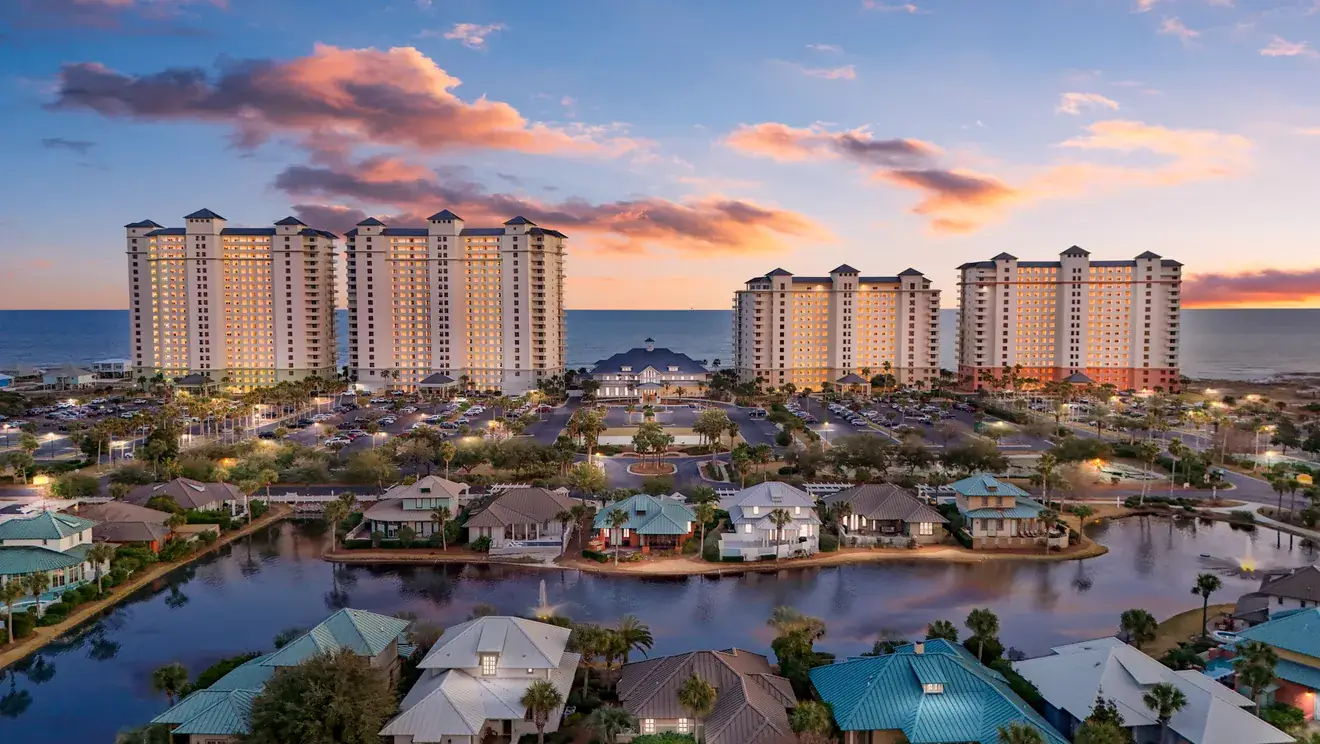
| Integrated Coastal Mega-Resort | High-volume leisure, multi-gen groups | Multi-tower campus, high key count, manicured beach | Unbundled base rate + heavy internal outlet spend | High crowd density, acoustic bleed, long internal transit times |
| Luxury All-Inclusive Oceanfront | Couples, families seeking predictability | Medium-density, beachfront suites and pavilions | Fully bundled single-price model | High upfront cost; potential crowd density at popular venues |
| Boutique Eco-Lodge / Sanctuary | Eco-tourists, privacy-focused travelers | Low key count, natural shoreline, low-impact structures | High base rate inclusive of guided marine activities | Susceptible to weather disruptions, limited indoor facilities |
| Overwater / Private Island Plan | High-profile individuals, honeymooners | Low density, isolated keys, direct water access | Premium base rate with tailored butler add-ons | Extreme supply chain dependency, complex transfer logistics |
| Branded Residential Coastal Hybrid | Extended-stay luxury, multi-gen families | Multi-bedroom villas + shared resort amenities | Hybrid nightly rates, HOA subsidies, rental splits | Service friction between private owners and transient guests |
| Wellness & Marine Immersion Plan | Active luxury travelers, divers | Coastal natural campus, specialized dive infrastructure | Semi-inclusive program packages, guided diving | Demanding activity schedules; weather-dependent waters |
Realistic Decision Logic for Category Selection
Navigating these choices requires matching personal priorities with operational property realities:
-
Prioritizing Absolute Privacy & Swimmable Water: Select Overwater / Private Island Plans or low-density Boutique Eco-Lodges featuring private plunge pools and direct reef access. Avoid high-capacity mega-resorts regardless of suite tier, as shared beach promenades and public pools compromise seclusion.
-
Multi-Generational Coastal Travel: Choose Branded Residential Coastal Hybrids or high-end integrated oceanfront packages featuring multi-bedroom villas, full kitchens, and age-segmented programming. This balances group gatherings with operational independence for family members.
-
Targeted Marine Recreation & Diving: Select dedicated Marine Immersion Plans equipped with on-site dive masters, private boat charters, and specialized gear lockers. Specialized lodges offer tailored marine access that standard leisure resorts cannot replicate.
Detailed Real-World Scenarios and Operational Stress Testing
To analyze how beach resort plans perform under real-world conditions, consider four detailed operational scenarios involving specific constraints, decision points, and potential failure modes.
High-Occupancy Holiday Travel at a Coastal Mega-Resort
-
Constraints: Traveling with family during peak holiday capacity; non-negotiable expectations for beach access, fine dining, and responsive service.
-
Decision Points: Deciding between a standard oceanfront suite package versus an upgraded executive club tier granting private lounge access and reserved beach cabanas.
-
Failure Modes: Booking standard package inventory without securing advance dining and cabana reservations. Upon arrival, the guest encounters 100 percent occupancy, multi-hour waits at dining venues, and fully claimed beach loungers by early morning.
-
Second-Order Effects: The guest experiences decision fatigue, spending significant time negotiating with concierge staff rather than relaxing, which undermines the value of the trip.
Tropical Storm & Sargassum Disruptions at a Coastal Retreat
-
Constraints: Staying at a high-end beach resort during shoulder season, with an itinerary centered on ocean swimming and water sports.
-
Decision Points: Balancing the desire for coastal proximity against the operational risks of seasonal sargassum algae influxes and tropical storms.
-
Failure Modes: Massive unseasonal sargassum accumulation covers the beach, rendering ocean swimming impossible and producing strong odors. The resort lacks sufficient backup pool capacity or off-property excursion alternatives.
-
Second-Order Effects: Guests are confined to overcrowded main pools, service response times slow down, and overall guest satisfaction drops sharply due to unviable beach conditions.
Multi-Generational Stays at a Mixed-Use Coastal Villa Resort
-
Constraints: Organizing a multi-bedroom villa stay for eight family members spanning three generations, with varying mobility levels and dining requirements.
-
Decision Points: Selecting a resort-managed residential unit on-property versus an independently managed villa rented through a third-party broker within the same development.
-
Failure Modes: Booking the third-party independent villa to save 20 percent on nightly rates, only to discover upon arrival that non-resort-managed guests are barred from accessing the main resort beach club, kids’ club, and shuttle networks.
-
Second-Order Effects: The family experiences operational fragmentation, requiring rental cars to shuttle members between the villa and public facilities, creating unexpected logistics costs and friction.
High-Intensity Marine Expedition Travel at a Remote Island Lodge
-
Constraints: An active traveler books a marine expedition package featuring daily scuba diving and wildlife boat charters.
-
Decision Points: Balancing a dense schedule of included diving excursions against the operational risks of equipment maintenance and weather volatility.
-
Failure Modes: Rough seas force the cancellation of offshore dive charters for three consecutive days. The property, lacking extensive land-based wellness or cultural programming, struggles to engage stranded guests.
-
Second-Order Effects: Capital paid for specialized activity inclusions is effectively lost, turning an intended adventure trip into an unproductive delay.
Financial Engineering, Cost Dynamics, and Economic Variability
Evaluating beach resort offers requires a clear understanding of the financial structures governing room pricing, secondary charges, and seasonal rate fluctuations.
Direct vs. Indirect Cost Architecture
The baseline room rate represents only a portion of total financial expenditure at a coastal resort property. Understanding the distinction between direct room charges and indirect property fees is essential for accurate budgeting.
Direct costs cover baseline suite charges, standard food and beverage access, and non-motorized water sports. Indirect costs encompass mandatory daily resort fees, beach lounger surcharges, auto-gratuities on dining transactions, marine park environmental fees, and airport transfer charges.
Mandatory daily resort fees—originally introduced to cover basic internet access and pool towels—have expanded into substantial daily surcharges. Additionally, auto-gratuities ranging from 18 to 22 percent are routinely applied to food, beverage, and spa transactions, alongside local lodging taxes.
In remote coastal locations, secondary transportation fees represent another significant line item. Transfers via private speedboat, regional charter aircraft, or seaplane can add thousands of dollars to a final bill.
| Cost Line Item | Standard Beach Package | Premium / Club Beach Package | Primary Variance Drivers |
| Base Room / Package Rate | $350 – $1,200 / night | $1,500 – $6,000+ / night | Seasonality, coastal proximity, overwater key status |
| Mandatory Resort / Facility Fee | $40 – $120 / night | $80 – $200 / night | Property class, beach service inclusion scope |
| Marine & Environmental Levies | $10 – $35 / person / stay | Included in premium plan | Protected marine park taxes, municipal reef fees |
| Internal Water / Air Transfers | $150 – $600 / person | Included / Private speedboats | Shared shuttle boat vs. dedicated seaplane charter |
| Motorized Watersports & Cabanas | $100 – $400 / activity | Discounted / Included cabana | External operator costs, private beach positioning |
Tools, Strategies, and Infrastructure Systems
Systematic price discovery, spatial evaluation, and inclusion validation require using specialized digital tools and analytical strategies, alongside an understanding of their operational limits.
-
Direct Property Fact-Sheet Audits
-
Utility: Reviewing official resort fact sheets reveals detailed inclusion lists, water sports policies, beach width metrics, and tide profiles often omitted by third-party booking sites.
-
Limits: Fact sheets may not reflect sudden seasonal beach erosion, temporary venue closures, or ongoing property maintenance.
-
-
Digital Concierge and Pre-Arrival Reservation Apps
-
Utility: Allows guests to book specialty dining, cabana allocations, and boat transfers prior to arrival, bypassing front-desk delays.
-
Limits: Reservation systems can experience technical glitches during peak booking windows or restrict access to high-tier guests.
-
-
Satellite Spatial Density Mapping
-
Utility: Examining satellite imagery helps evaluate real pool sizes, beach width, walking distances, and the physical distance between guest wings and the high-tide line.
-
Limits: Imagery does not show real-time crowd density, umbrella availability, or seasonal beach erosion.
-
-
Third-Party Guest Contract Review
-
Utility: Reading fine-print terms clarifies cancellation rules, refund schedules, marine activity waivers, and force majeure protections during weather disruptions.
-
Limits: Legal language can be complex and difficult to interpret without hospitality management expertise.
-
-
Loyalty Program Benefits Integration
-
Utility: Linking elite hotel loyalty status to a resort booking can unlock room upgrades, complimentary breakfast, resort credit perks, and late check-out windows.
-
Limits: Many coastal luxury brands restrict loyalty perk integration or limit point earning on bundled package rates.
-
-
Localized Marine & Weather Monitoring
-
Utility: Tracking satellite marine forecasts, sargassum seaweed tracking maps, and seasonal wind trends helps predict shoreline conditions before departure.
-
Limits: Marine weather data can be unpredictable beyond a 72-hour window.
-
Risk Landscape, Failure Modes, and Compounding Vulnerabilities
The operational environment of coastal resort stays contains systemic risks that can compromise safety, financial value, and overall comfort.
Taxonomy of Coastal Failure Modes
-
Environmental Degradation: Seasonal sargassum seaweed blooms, beach erosion, coral bleaching, or red tide outbreaks can render shorelines unswimmable.
-
Infrastructure Failure under Marine Exposure: High salinity and humid ocean air accelerate mechanical deterioration, leading to air conditioning breakdowns, plumbing leaks, or power microgrid failures.
-
Supply Chain Breakdown: Remote island or isolated coastal properties can face severe shortages of fresh produce, top-shelf spirits, and medical supplies during rough sea events.
-
Over-Commercialization & Crowding: Poorly managed day-pass programs, cruise ship shore excursions, or public beach access points can overwhelm private resort facilities.
Operational degradation rarely occurs in isolation. It typically begins with severe weather or high tides that damage beach lounger setups and coastal dining decks. This forces guests into pool areas, causing spatial congestion. As food and beverage demand shifts entirely to pool outlets, kitchen throughput slows down, service delays compound, and guest satisfaction drops across the property.
Quality Assurance, Governance, and Long-Term Adaptation
Selecting an optimal coastal package requires auditing active reservations, verifying inclusions, and adapting to environmental changes at the host property.
Pre-Arrival Verification Checklist
To ensure a seamless stay, complete a systematic review using the following steps before departure:
-
Direct Reservation Audit: Contact the resort’s reservations desk to confirm that your specific suite tier, coastal view orientation, and room locations are correctly logged in their system.
-
Beach & Water Sports Inclusions Audit: Confirm reservation protocols for beach cabanas, motorized water sports, and diving equipment to ensure preferred slots are secured.
-
Transfer Logistics Check: Confirm pick-up times, meeting locations, and vehicle or boat types for included airport and water transfers to avoid delays upon arrival.
-
Environmental Condition Check: Review localized marine reports for current beach width, sargassum conditions, and coastal water clarity.
Measurement, Tracking, and Evaluation Frameworks
Evaluating whether a beach resort plan delivers on its value proposition requires tracking both quantitative financial efficiency and qualitative service experience metrics.
Quantitative vs. Qualitative Metrics
Quantitative metrics include the Coastal Spatial Realization (usable beach frontage per guest), Net Out-of-Pocket Incidental Spend, and Cabana Reservation Success Rates. Qualitative signals encompass Anticipatory Service Execution, Acoustic Seclusion in beachfront suites, and Overall Environmental Health along the resort coastline.
Leading vs. Lagging Indicators
Historical online review scores and star ratings serve as lagging indicators, reflecting past operational conditions. Leading signals—such as proactive pre-arrival outreach by a coastal concierge, clear water sports pre-booking protocols, and visible beach maintenance practices—provide a better real-time measure of a resort’s current operational quality.
Common Misconceptions and Industry Oversimplifications
Popular travel literature contains persistent myths regarding beach resort plans that can lead to poor decision-making and unexpected friction.
- Myth 1: “Oceanfront” Always Means Direct Beach Access and Swimmable Water
-
Correction: Properties frequently market rooms as “oceanfront” based on visual sightlines, even when situated atop rocky cliffs, behind seawalls, or along unswimmable mudflats lacking sandy beach access.
- Myth 2: All-Inclusive Beach Packages Cover All Marine Activities
-
Correction: Most bundled coastal packages limit included water sports to non-motorized equipment (such as kayaks and paddleboards). Scuba diving, jet skis, deep-sea fishing, and private boat charters almost universally carry extra fees.
- Myth 3: Overwater Bungalows Always Provide Superior Luxury and Comfort
-
Correction: Overwater structures can suffer from high humidity, marine noise from wave action against pylons, extended walking distances to main facilities, and lack of direct beach access.
- Myth 4: Booking Directly with the Resort Always Yields the Lowest Price
-
Correction: Authorized travel advisors and specialized coastal package aggregators frequently hold wholesale inventory or exclusive bundled rates that beat direct property pricing, particularly when paired with air or boat transfers.
Ethical, Environmental, and Local Economic Considerations
Large coastal resorts exert significant economic, social, and environmental footprints on fragile marine ecosystems and local communities. Evaluating resort options includes considering how properties manage these responsibilities.
Environmental Stewardship & Reef Protection
Operating high-capacity coastal resorts consumes substantial energy, water, and regional resources. Sustainable properties implement reverse-osmosis desalination, advanced greywater treatment for landscape irrigation, zero-single-use-plastic policies, reef-safe sunscreen mandates, and active coral restoration programs to protect local marine habitats.
Local Economic Integration & Coastal Access
Coastal resort developments can restrict traditional shore access for local communities and lead to economic leakage, where vacation spending returns to foreign corporate owners. Responsible properties preserve public beach access corridors, employ residents in managerial roles, pay fair living wages, and source seafood directly from local artisanal fisheries.
Strategic Conclusion and Operational Synthesis
Structured evaluation is essential to compare beach resort plans effectively, moving past superficial marketing imagery and promotional checklists. Identifying an optimal option demands an analytical evaluation of spatial density, shoreline infrastructure, package inclusions, and financial transparency.
By applying structured evaluation frameworks such as the Coastal Spatial Density Ratio and the Shoreline Infrastructure and Friction Index, travelers and travel planners can align expectations with operational realities. Matching personal travel priorities with the appropriate resort architecture ensures a restful, predictable, and deeply satisfying coastal travel experience.