
The Definitive Guide to Luxury Resort Stay Options & Hospitality Architecture
High-end destination hospitality operates at an intricate intersection of spatial architecture, labor economics, real estate structuring, and experiential design. Unlike standard commercial hotels engineered primarily around urban transit hubs and predictable turn-keys, high-tier resort properties function as self-contained micro-ecosystems. They must continuously balance guest privacy, environmental stewardship, complex supply chains, and high staff-to-inventory ratios without exposing the operational machinery behind the experience.
Evaluating tier-one resort accommodation requires moving past standard industry marketing narratives and superficial star-rating systems. The global luxury market has fragmented into distinct operational models, ranging from private-island sanctuaries and off-grid eco-lodges to branded residential hybrids and specialized health retreats. Each structure operates on unique margin profiles, service delivery mechanisms, and spatial constraints. When consumers or corporate travel planners approach this market without a systemic framework, they frequently encounter misalignments between expectations and operational realities. These manifest as unbundled surcharge friction, acoustic or visual density crowding, or degraded service execution during peak demand windows.
This reference guide provides a thorough analytical framework for evaluating high-end resort inventory. By examining spatial density metrics, financial engineering models, operational risk factors, and service architecture, this guide serves as a definitive reference for travelers, travel designers, and hospitality analysts seeking structural clarity in high-end destination travel.
Understanding “luxury resort stay options.”
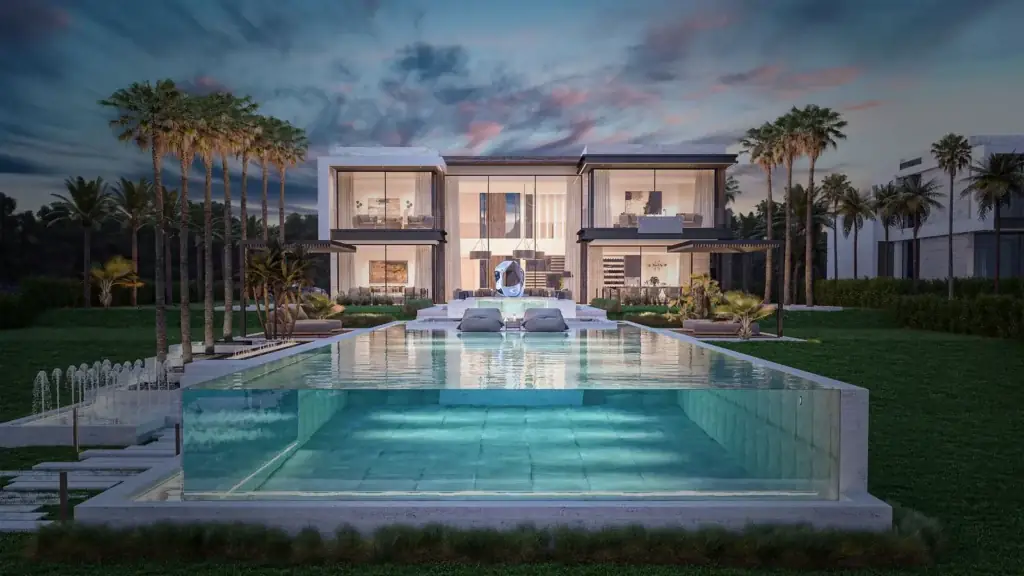
The term luxury resort stay options is routinely flattened by consumer media into generic top-ten lists and automated star-rating aggregations. From an asset-management and guest-experience standpoint, identifying optimal accommodation requires a multi-layered evaluation framework. What constitutes an ideal stay varies according to spatial density tolerances, service velocity requirements, environmental conditions, and the degree of privacy built into the physical plant.
Evaluating high-tier resort inventory involves analyzing three core operational pillars:
-
Spatial Density and Layout Efficiency: Measuring how room inventory interacts with communal acreage, ensuring shared spaces maintain low encounter rates.
-
Service Velocity and Labor Deployment: Evaluating the ratio of dedicated, trained staff to occupied keys, ensuring rapid responsiveness without intruding on guest privacy.
-
Fiscal Transparency: Distinguishing between fully integrated, transparent pricing structures and models that rely on heavy unbundling, compulsory resort surcharges, and secondary facility fees.
A frequent error when evaluating high-end accommodation is assuming that high nightly rates or large room square footage automatically guarantee a superior experience. A property offering multi-thousand-square-foot suites may fail if public spaces suffer from high foot-traffic density, poor acoustic dampening, or overloaded dining venues. Conversely, a minimalist boutique lodge with compact physical footprints can deliver exceptional value through high staff-to-guest ratios and complete spatial isolation.
Furthermore, dynamic operational shifts across booking seasons are often under-analyzed. A resort property may deliver flawless service during shoulder months at 60 percent occupancy, only to experience operational friction in room-service delivery, pool cabana access, and restaurant scheduling when operating at full capacity during holiday windows. Evaluating high-end stays requires assessing how a property’s physical plant and service model perform under peak operational load.
Deep Contextual Background: The Architecture of Destination Hospitality
The modern high-tier resort landscape is the outcome of distinct economic, technological, and spatial shifts over the past century and a half. Modern destination hospitality traces its roots to 19th-century European thermal baths, alpine sanatoriums, and coastal retreats accessed via expanding rail corridors. These early grand hotels operated under rigid seasonal schedules, serving an elite clientele with formal dining protocols, heavy staffing, and centralized main-building architecture.
The post-World War II expansion of commercial aviation reshaped global destination geometry. Rapid transit enabled the development of large-scale coastal resorts across the Caribbean, the Mediterranean, and the Pacific Rim. This era introduced high-capacity resort layouts designed to process larger guest volumes efficiently, leading to the creation of self-contained properties that captured all guest expenditure within their physical boundaries.
In the late 20th and early 21st centuries, high-net-worth travelers began turning away from standardized luxury towers, seeking hyper-localized, eco-conscious, and wellness-focused retreats instead. Simultaneously, real estate financial engineering led to the rise of mixed-use resort models, where sold branded residences, private villas, and real-estate clubs subsidize primary resort infrastructure and shared amenities. Today, evaluating premier accommodations requires navigating a fragmented landscape of historic grand hotels, integrated mega-resorts, unbundled boutique lodges, and residential hybrid developments.
Conceptual Frameworks and Mental Models for Asset Evaluation
Evaluating high-end resort inventory requires mental models that look beyond aesthetic photography to isolate the primary drivers of operational consistency and guest satisfaction.
1. The Spatial Density Ratio (SDR)
This framework measures total site acreage against total key count and maximum guest capacity. High-density properties concentrate hundreds of keys into multi-story towers on tight footprints, creating high encounter rates at pools, dining venues, and beaches. Low-density models spread fewer keys over vast natural landscapes, ensuring low physical encounter rates. Calculating spatial density reveals whether a property offers genuine seclusion or high-capacity lodging with luxury finishes.
2. The Unbundled Fiscal Friction Index
This model measures the proportion of mandatory or secondary fees added to the base room rate. A property advertising an attractive base rate may impose mandatory resort fees, parking surcharges, facility fees, and marked-up activity pricing, resulting in high friction. Conversely, a transparent, fully inclusive billing structure allows guests to evaluate total stay costs upfront without experiencing micro-transaction fatigue.
3. Service Ratio and Staffing Velocity
This model measures the ratio of full-time operational staff to occupied keys, combined with service delivery responsiveness. A 1:1 staff-to-guest ratio represents standard full-service hospitality, whereas top-tier private island and remote wilderness lodges often maintain ratios of 3:1 or higher. Evaluating staffing velocity requires analyzing how effectively a property handles peak demand windows, such as morning breakfast turns or luggage processing during mass departures.
Key Categories and Structural Variations in High-End Resorts
The destination hospitality landscape includes distinct operational models, each structured to balance spatial footprints, guest demographics, service delivery, and commercial revenue strategies.
| Resort Category | Primary Demographic | Spatial & Key Footprint | Financial Structure | Primary Trade-Off / Vulnerability |
| Integrated Luxury Mega-Resort | Families, multi-gen groups, high-volume leisure | Multi-acre campus, multi-tower, high key count | Unbundled base rate + heavy internal outlet spend | High crowd density in shared areas, long internal transit times |
| Boutique Eco-Lodge | Eco-tourists, privacy-focused travelers | Low key count, low-impact footprint, remote locations | High base rate inclusive of guided programming | Susceptible to local weather disruptions, limited indoor facilities |
| Wellness & Health Sanctuary | Health-focused travelers, solo retreats | Specialized facilities (spas, thermal circuits, labs) | Program-inclusive packages (semi- or fully bundled) | Structured schedules, limited dining variety |
| Branded Residential Hybrid | Extended-stay luxury, large families | Multi-bedroom villas + shared resort amenities | Hybrid nightly rates, HOA subsidies, rental splits | Operational friction between private owners and transient guests |
| Ultra-Luxury Private Island | High-profile individuals, luxury purists | Low density, standalone pavilions/villas | High-tier inclusive rates with dedicated butler teams | Complex transfer logistics, high supply chain vulnerability |
| All-Inclusive Luxury Resort | Value-focused luxury travelers, couples | High-capacity infrastructure, centralized dining hubs | Fully bundled single-price model | Standardized dining menus, busy communal facilities |
Realistic Decision Logic for Category Selection
Navigating these variations requires matching personal priorities with operational realities:
-
Prioritizing Absolute Seclusion: Select low-density boutique sanctuaries or private island models featuring standalone villas with dedicated plunge pools and private butler services. Avoid high-capacity mega-resorts regardless of suite tier, as shared corridors and common pools inevitably compromise privacy.
-
Multi-Generational Family Travel: Opt for branded residential hybrids or luxury all-inclusive properties offering multi-bedroom villas, full kitchens, and age-segmented programming. This balances group gatherings with operational independence for different family members.
-
Targeted Health Recovery and Restoration: Choose dedicated wellness sanctuaries over standard luxury properties with minor spa add-ons. Specialized facilities offer tailored nutrition, quiet zones, and structured therapeutic schedules that leisure resorts cannot replicate.
Detailed Real-World Scenarios and Operational Stress Testing
To understand how resort structures perform under real-world conditions, consider four detailed operational scenarios involving specific constraints, decision points, and potential failure modes.
High-Occupancy Holiday Travel at a Coastal Mega-Resort
-
Constraints: Traveling during peak holiday capacity with family; firm expectations for pool access, fine dining, and responsive service.
-
Decision Points: Deciding between a standard oceanfront suite versus an upgraded executive club tier that grants private lounge access and dedicated concierge services.
-
Failure Modes: Booking standard suite inventory without securing advance dining and cabana reservations. Upon arrival, the guest encounters 100 percent occupancy, multi-hour waits at main dining venues, and fully claimed pool loungers by early morning.
-
Second-Order Effects: The guest experiences decision fatigue, spending significant time negotiating with front-desk staff rather than relaxing, which undermines the value of the trip.
Remote Eco-Lodge Travel During Severe Weather Events
-
Constraints: Staying at a remote, off-grid eco-lodge accessible only by charter flight or boat, focused primarily on outdoor wildlife excursions.
-
Decision Points: Balancing the desire for isolation against the operational risks of local weather volatility and limited indoor recreation space.
-
Failure Modes: Extended heavy rain grounds transport links and cancels outdoor excursions. The property, lacking extensive indoor wellness or lounge spaces, struggles to engage stranded guests.
-
Second-Order Effects: Supply chains experience delays, leading to limited fresh food options. Guests experience cabin fever, exposing the vulnerabilities of ultra-remote lodge models during adverse weather events.
Multi-Generational Stays at a Mixed-Use Residential Resort
-
Constraints: Organizing a multi-bedroom villa stay for eight family members spanning three generations, with varying mobility levels and dining requirements.
-
Decision Points: Selecting a resort-managed residential unit on-property versus an independently managed villa rented through a third-party broker within the same development.
-
Failure Modes: Booking the third-party independent villa to save 20 percent on nightly rates, only to discover upon arrival that non-resort-managed guests are barred from accessing the main resort pool, kids’ club, and shuttle networks.
-
Second-Order Effects: The family experiences operational fragmentation, requiring rental cars to shuttle members between the villa and public facilities, creating unexpected logistics costs and friction.
Intensive Wellness Retreat Travel with Strict Protocols
-
Constraints: Joining a week-long physical recovery and stress-reduction program within a dedicated wellness sanctuary while managing remote work obligations.
-
Decision Points: Selecting a property that permits electronic device usage in private zones versus one enforcing an absolute, property-wide digital detox policy.
-
Failure Modes: Choosing the strict digital detox sanctuary while planning to conduct daily business video calls from the room balcony.
-
Second-Order Effects: Property management issues warnings or confiscates devices following complaints from neighboring guests over acoustic disturbance, leading to professional stress and premature departure.
Financial Engineering, Cost Dynamics, and Economic Variability
Evaluating accommodations requires a clear understanding of the financial structures governing resort pricing, secondary charges, and seasonal rate fluctuations.
Direct vs. Indirect Cost Architecture
The base room rate represents only a portion of total financial expenditure at a resort property. Understanding the distinction between direct room charges and indirect property fees is essential for accurate budgeting.
Direct costs cover baseline suite charges and fixed package inclusions. Indirect costs encompass mandatory resort fees, service surcharges, internal transfer fees, a la carte dining markups, and activity add-ons.
Mandatory daily resort fees—originally introduced to cover internet access and basic gym entry—have expanded into substantial daily surcharges. Additionally, auto-gratuities ranging from 18 to 22 percent are routinely applied to food, beverage, and spa transactions, alongside local lodging taxes.
In remote locations, internal transportation fees represent another significant line item. Transfers via private boat, regional charter aircraft, or helicopter can add thousands of dollars to a final bill.
| Cost Line Item | Typical Price Range | Financial Structure | Impact on Total Budget |
| Base Room / Suite Rate | $400 – $4,000+ / night | Dynamic pricing based on seasonal demand | 45% – 65% of total budget |
| Mandatory Resort / Facility Fee | $50 – $175 / night | Fixed daily charge per room key | 5% – 12% of baseline rate |
| Internal Property Transfers | $150 – $1,500 / person | Fixed round-trip fee for remote access | 10% – 25% of transport budget |
| Food & Beverage Markups | $150 – $500+ / person / day | À la carte or unbundled internal rates | 25% – 40% of total expenditure |
| Spa & Recreational Surcharges | $220 – $700+ / service | Service rate + mandatory gratuity + tax | Variable based on utilization |
Operational Infrastructure, Systems, and Service Delivery
Behind guest-facing luxury lies complex operational infrastructure designed to maintain utility grid independence, water security, labor coordination, and food logistics without disrupting the resort’s aesthetic atmosphere.
Operational Sequence Flow
-
Supply Chain Ingestion & Logistics: Perishable food, clean linen, fuel, and dry goods arrive via daily barge, truck, or air transport. High-end properties run cold-storage staging areas to preserve inventory integrity before internal distribution.
-
Back-of-House Processing & Distribution: Goods are sorted and moved through subterranean tunnels or concealed perimeter service roads. Centralized laundry, prep kitchens, and engineering bays process items out of guest sightlines.
-
Front-of-House Service Execution: Staff receive automated dispatch requests via internal management software. Housekeeping, room service, and maintenance teams access guest villas through discrete service portals to minimize disruption.
-
Waste Management & Environmental Recovery: Wastewater is processed through on-site treatment facilities for landscape irrigation, organic waste is composted, and recyclable materials are compacted for transport back to municipal processing centers.
Critical Infrastructure Systems
-
Independent Utility Operations: Remote island and wilderness resorts operate as micro-utilities. They deploy reverse-osmosis desalination plants for potable water, heavy-duty solar-diesel hybrid microgrids for uninterrupted electrification, and advanced septic or greywater recycling systems.
-
Subterranean and Service Corridor Design: High-capacity resorts feature concealed subterranean service corridors or perimeter road networks. This design allows housekeeping carts, maintenance personnel, and room service deliveries to move efficiently across the property without crossing primary guest pathways.
-
Property Management System (PMS) Orchestration: Modern resorts rely on integrated PMS platforms to track guest preferences, dietary restrictions, spa schedules, and billing profiles in real time. Front-of-house staff use mobile devices to log interactions, ensuring a guest’s preferences are recognized seamlessly across all dining venues, pools, and recreational facilities.
Risk Landscape, Failure Modes, and Compounding Vulnerabilities
Resort stays carry operational risks that can compromise safety, privacy, and comfort. Understanding these vulnerabilities allows travelers and travel planners to identify warning signs early and implement proactive mitigations.
Taxonomy of Resort Failure Modes
-
Environmental & Seasonal Volatility: Tropical storms, sudden algae blooms (such as sargassum accumulation on coastal beaches), unseasonal cold fronts, or wildfire smoke can paralyze outdoor-focused properties.
-
Labor Shortages & Service Degradation: High turnover, seasonal staffing adjustments, or regional housing shortages for hospitality workers can lead to understaffed venues, slow housekeeping cycles, and inexperienced front-of-house service.
-
Infrastructure Deficits: Overworked desalination units, power grid failures, or broken air conditioning systems during high-heat periods can render luxury suites uncomfortable.
-
Over-Commercialization & Crowding: Poorly managed day-pass programs, corporate retreats overlapping with leisure guests, or public event bookings can overwhelm shared facilities, compromising privacy and quiet zones.
Compounding Failure Cascades
Operational degradation rarely occurs in isolation. It typically begins with structural understaffing, which directly causes housekeeping delays (leaving suites unready at check-in). This bottleneck cascades into front desk congestion and crowded lobby lounges, culminating in food and beverage capacity overload and extreme service friction across all guest touchpoints.
Quality Assurance, Governance, and Long-Term Asset Adaptation
Maintaining operational standards over time requires constant maintenance, asset renovation cycles, and active management of guest feedback.
-
Continuous Soft Maintenance: Daily touch-ups, active landscape upkeep, and routine preventive equipment audits.
-
5-Year Soft Refurbishment: Complete replacement of textiles, soft goods, bedding, and internal guest tech upgrades.
-
10-Year Hard Capital Overhaul: Structural building renovations, mechanical system replacements, and facility redesigns.
Pre-Booking Quality Assurance Checklist
To evaluate whether a resort is currently operating at its peak, perform a targeted review using the following criteria before committing capital:
-
Renovation Recency Audit: Verify the exact date of the property’s last soft goods refurbishment (bedding, furniture, textiles) and hard capital renovation (bathrooms, pools, structural systems). Properties that have gone unrenovated for more than seven years often display visible wear and outdated technology.
-
Management & Ownership Stability: Research recent changes in property management companies or asset ownership. A sudden management transition often leads to operational instability, staff turnover, and temporary service dips.
-
Corporate Event & Day-Pass Restrictions: Inquire directly with the concierge or reservations team whether large corporate conferences, wedding buyouts, or third-party day-pass sales are scheduled during your intended stay window.
-
Seasonal Environmental Conditions: Check localized environmental data, such as historical sargassum seaweed arrivals, jellyfish seasons, monsoon patterns, or nearby off-season construction projects.
Measurement, Evaluation, and Performance Metrics
Evaluating whether a property successfully delivers on its luxury value proposition requires tracking both quantitative performance metrics and qualitative service indicators.
-
Quantitative Performance Signals: Spatial ratio per guest, staff-to-occupied-key ratio, food and beverage wait times, and check-in velocity.
-
Qualitative Service Signals: Degree of anticipatory service execution, acoustic privacy integrity, spatial flow, and staff autonomy in resolving service issues.
-
Leading vs. Lagging Metrics: Historical review scores and post-stay surveys serve as lagging indicators. Leading signals include high staff retention rates, low front-desk queue times during peak check-in hours, and meticulous ongoing maintenance.
Common Misconceptions and Industry Oversimplifications
Navigating the high-end accommodation market requires dismantling several persistent myths promoted by conventional marketing channels.
- Myth 1: Five-Star Ratings Guarantee Impeccable Service and Seclusion
-
Correction: Official star ratings primarily assess the presence of specific physical amenities—such as maintaining a 24-hour room service line, an on-site spa, or a minimum room size. They do not evaluate service warmth, staff attentiveness, acoustic insulation, or crowd density. A four-star boutique property may offer a far quieter, more attentive experience than a five-star mega-resort with 800 rooms.
- Myth 2: All-Inclusive Properties Always Provide Better Financial Value
-
Correction: While all-inclusive models offer predictable upfront pricing, they often offset costs by standardizing food and beverage offerings, using mid-tier spirits, and streamlining buffet service. For light eaters or travelers who prefer exploring local off-property dining, a la carte pricing models frequently yield higher culinary quality and overall value.
- Myth 3: Private Villa Upgrades Always Offer Superior Experiences
-
Correction: Booking a freestanding villa on the outer edge of a sprawling resort campus can introduce unexpected logistical friction. If internal shuttle transport is understaffed, guests may face 30-minute waits for golf carts to access main facilities, making centrally located main building suites a more practical choice.
- Myth 4: Booking Through Third-Party Discount Aggregators Yields Identical Stays
-
Correction: Resorts prioritize guests based on booking channels. Directly booked reservations or stays arranged through accredited luxury travel advisors typically receive preferential room placements, early check-in priority, resort credit perks, and higher upgrade eligibility compared to reservations made through third-party discount sites.
Ethical, Environmental, and Local Economic Considerations
Resort developments exert heavy footprints on host ecosystems and communities. Evaluating luxury accommodation options increasingly involves assessing how a property manages its environmental and social responsibilities.
-
Resource Management: Deploying closed-loop reverse osmosis desalination, greywater irrigation, zzero single-use plasticpolicies, and solar microgrids.
-
Labor Standards: Ensuring fair living wages, local recruitment for executive paths, and high-quality staff housing.
-
Local Economic Integration: Direct sourcing of produce and seafood from local agricultural and fishing operations to minimize economic leakage.
Strategic Conclusion and Operational Synthesis
Navigating modern luxury resort stay options involves looking past promotional imagery and marketing copy. It requires an analytical assessment of spatial density, staff-to-guest ratios, infrastructure stability, and billing transparency.
By applying structured evaluation models such as the Spatial Density Ratio and the Unbundled Fiscal Friction Index travelers and travel planners can align expectations with operational realities. Whether selecting a remote eco-lodge, an integrated mega-resort, or a specialized health sanctuary, understanding hospitality architecture ensures a predictable, restorative, and high-value experience.