Boutique Resort Overview: Architecture, Economics, and Evaluation Guide
Small-footprint destination hospitality occupies a distinct operational and financial niche within the lodging industry. Unlike urban convention towers that rely on standardized rooms, or sprawling mega-resorts built around vast campuses, boutique resorts derive resilience from specific architecture, low key density, cultural integration, and bespoke service. From cliffside estates in Big Sur and historic haciendas in the Southwest to island sanctuaries and alpine lodges, these properties operate under unit economics that differ sharply from chain hospitality.
Evaluating small-scale resorts requires looking past curated photography, amenity claims, and lifestyle awards. Operational viability depends on balancing high fixed labor costs across limited room inventory. It also requires shielding guest privacy without sacrificing communal energy, and protecting rate integrity without relying on volume-driven travel agencies. When key counts drop below fifty or seventy-five units, every operational variable from culinary procurement and housekeeping to maintenance and storm readiness behaves differently than in a 400-key resort.
Understanding these mechanics is essential for asset managers, travel directors, developers, and analytical travelers. Promotional literature often promises effortless intimacy. In reality, it frequently conceals complex yield-management algorithms, strict minimum stay rules, unbundled service charges, and thin margins during shoulder seasons.
Understanding “boutique resort overview.”
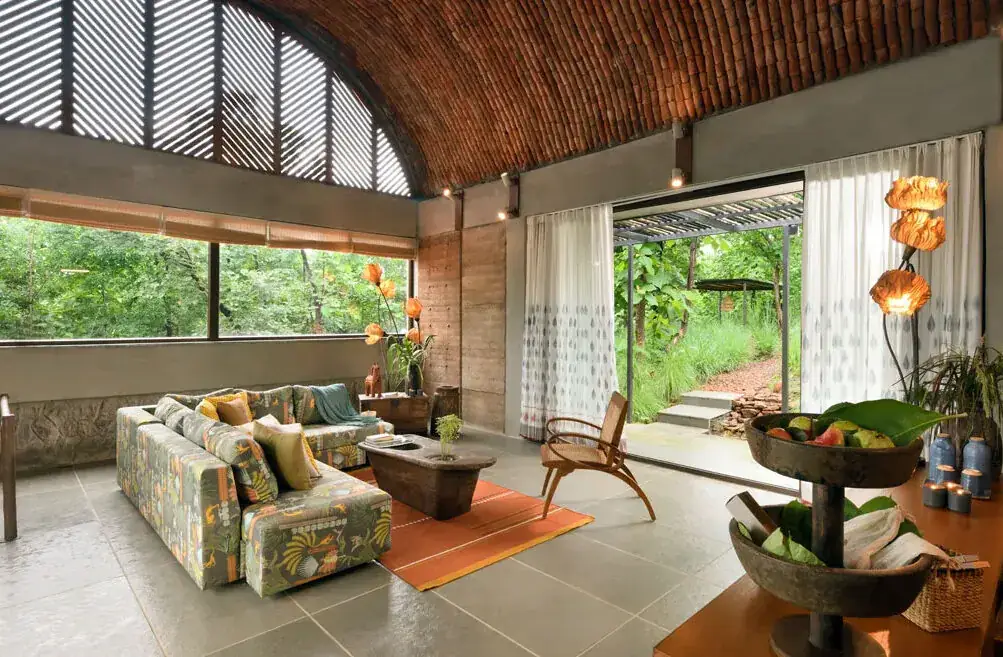
Constructing a rigorous boutique resort overview requires separating aesthetic marketing from measurable operational architecture. Mainstream travel journalism routinely applies the “boutique” label to any visually distinct property with midcentury furniture or fewer than 150 rooms. From an operations standpoint, however, a true boutique resort combines low key count (typically 10 to 80 units), non-standardized local architecture, high staff-to-guest ratios, and unique experiential programming.
Auditing boutique resort performance requires analyzing three core structural layers:
-
Key Density and Spatial Geometry: Evaluate the ratio of guest rooms to total property acreage. Assess whether standalone casitas or low-rise pavilions provide true visual and acoustic separation rather than crowded courtyard proximity.
-
Operational Customization and Service Velocity: Assess how front-desk, concierge, and culinary teams deliver individualized attention without corporate scripts. Examine how back-of-house logistics support bespoke requests across a small guest base.
-
Commercial Autonomy and Distribution Economics: Determine whether the property operates independently, joins a marketing consortium (such as Relais & Châteaux), or functions inside a hotel conglomerate’s “soft brand” (such as Auberge or Autograph Collection).
A common mistake in travel analysis is assuming small room counts guarantee superior tranquility or service. A 25-room coastal property on a narrow highway parcel with thin walls and a public restaurant suffers far more noise than a 150-room resort on 300 private acres. Similarly, an undercapitalized lodge often struggles to maintain culinary or housekeeping standards during seasonal labor shortages.
Furthermore, the rise of corporate “soft brands” has blurred the line between independent hospitality and chain distribution. Navigating a comprehensive boutique resort overview requires looking beneath brand flags and interior styling to examine ownership, labor stability, spatial buffers, and total stay costs.
Deep Contextual Background: Counter-Standardization and the Rise of Soft Brands
The modern boutique resort sector emerged as a structural reaction against mid-twentieth-century hospitality standardization. From the 1950s through the 1970s, major hotel chains scaled across North America by enforcing strict uniformity. They relied on identical room dimensions, standardized furniture, predictable menus, and centralized reservations. While this model delivered reliability for business travelers, it stripped destination properties of regional identity and cultural nuance.
In the early 1980s, pioneering hoteliers—notably Ian Schrager and Steve Rubell in New York, alongside Bill Kimpton in San Francisco—proved that design-forward, small-footprint hotels could command rate premiums over standardized chains. By the 1990s, independent developers brought this anti-chain ethos into leisure destinations across California’s wine country, the Rockies, New England, and the Caribbean. Properties like Post Ranch Inn in Big Sur, Twin Farms in Vermont, and Blackberry Farm in Tennessee achieved high Average Daily Rates (ADR) by pairing local architecture with hyper-local dining and wilderness immersion.
The early twenty-first century brought a major shift as hotel conglomerates noticed affluent travelers favoring independent, character-driven resorts. Rather than forcing boutique assets into rigid brand rules, conglomerates launched “soft brand” collections. These platforms allow independent owners to keep bespoke architecture and operational autonomy while accessing global loyalty programs and reservation engines.
Today, any serious boutique resort overview must address a bifurcated market. Fiercely independent, owner-operated sanctuaries rely on direct bookings and luxury consortia, while soft-branded boutique properties leverage institutional capital and loyalty redemption networks.
Conceptual Frameworks and Mental Models for Small-Scale Resort Evaluation
Objective comparison of small-footprint properties requires analytical models that isolate unit economics, spatial privacy, and operational resilience.
1. The Fixed-Overhead Dilution Ratio (FODR)
Because boutique resorts have small room inventories, fixed costs such as executive chefs, 24-hour front desks, landscaping, and spa management are spread across far fewer keys. High-FODR properties either charge ultra-high nightly tariffs ($1,200 to $3,500+) to fund deep staffing benches, or use lean, cross-trained teams. Properties caught in the middle, charging mid-tier rates while attempting five-star service breadth, frequently suffer service breakdowns.
2. The Public-to-Resident Permeability Index (PRPI)
This framework measures how much external, non-overnight traffic enters the campus via public restaurants, beach clubs, day spas, or wedding buyouts. High-PRPI boutique resorts monetize local traffic to subsidize room operations, which can compromise pool quietude and lobby privacy. Low-PRPI properties restrict dining and grounds access solely to overnight guests, preserving sanctuary containment.
3. The True Net Boutique Stay Cost Metric (TNBSCM)
This model calculates the total financial outlay of a small-scale resort stay. It combines baseline suite tariffs, mandatory resort fees, automatic service charges, private transfers, and à la carte dining or excursion costs, minus bundled credits.
Key Categories and Structural Variations in Boutique Resorts
| Boutique Resort Archetype | Typical Key Count | Architectural & Spatial Profile | Revenue & Pricing Model | Primary Operational Trade-Off / Vulnerability |
| Ultra-Luxury All-Inclusive Estates | 15 – 45 keys | Sprawling rural acreage; standalone cottages & farmhouses | All-inclusive nightly tariff bundling meals, wine & core activities | High upfront nightly rate; strict multi-night minimums and cancellation rules |
| Design-Led Coastal & Cliffside Sanctuaries | 20 – 60 keys | Vernacular wood/stone/glass suites integrated into natural bluffs | High European Plan ADR + à la carte fine dining and spa | Extreme weather exposure; limited expansion capacity; fast sell-out windows |
| Agritourism & Culinary Farm Resorts | 12 – 50 keys | Restored barns, estate cottages, working orchards & gardens | Semi-inclusive or à la carte farm-to-table dining + workshops | Seasonal agricultural cycles; dining focus may overshadow active sports |
| Historic Adaptive-Reuse Heritage Inns | 15 – 70 keys | Converted 19th-century mansions, mills, or historic village compounds | Room-only + destination restaurant and curated local excursions | Legacy acoustic limitations; varied room sizes within identical price tiers |
| Eco-Wilderness & Glamping Compounds | 10 – 40 keys | Canvas pavilions, treehouses, low-impact elevated structures | Inclusive adventure packages bundling guiding and meals | High sensitivity to extreme heat, cold, or storms; remote transfer logistics |
| Soft-Branded Lifestyle Boutique Resorts | 40 – 95 keys | Contemporary regional architecture backed by major loyalty networks | Dynamic BAR pricing + mandatory resort fees + loyalty point options | Higher transient guest turnover; potential day-pass or event crowd dilution |
Exemplary Boutique Resort Profiles
Twin Farms (Barnard, Vermont)
-
Strengths: Extraordinary personalization, total sanctuary containment (zero outside public dining traffic), and seamless all-inclusive execution.
-
Trade-Offs: Ultra-high nightly price tier and rigid booking lead times for peak autumn foliage and winter ski weekends.
Post Ranch Inn (Big Sur, California)
-
Strengths: Unmatched coastal topography, authentic architectural integration, adults-only quietude, and strict guest-only property privacy.
-
Trade-Offs: Highway 1 landslide closures can periodically disrupt road access, and coastal marine fog frequently rolls in during summer mornings.
Blackberry Farm & Blackberry Mountain (Walland, Tennessee)
-
Strengths: Industry-leading culinary and wine programs, vast private mountain acreage, and deep multi-generational or couples programming.
-
Trade-Offs: Alcohol, guided sporting excursions, and spa treatments add substantial à la carte outlays on top of already high all-inclusive base tariffs.
Dunton Hot Springs (Dolores, Colorado)
-
Strengths: Unrivaled historical immersion, intimate 13-key scale allowing full-property private buyouts, and inclusive gourmet dining and soaking.
-
Trade-Offs: Remote mountain location requires long transfers from regional airports, and winter snowpack restricts access to guided snowcat or winter-equipped transit.
Ambiente, A Landscape Hotel (Sedona, Arizona)
-
Strengths: Modern architectural innovation, adults-only quietude, and private rooftop fire-pit terraces offering 360-degree red-rock views.
-
Trade-Offs: Compact overall land acreage compared to sprawling ranch estates, placing guest units closer together and nearer to town road corridors.
Realistic Decision Logic for Property Selection
-
Seeking Zero-Friction All-Inclusive Privacy: Select Twin Farms, Blackberry Farm, or Dunton Hot Springs. Restricting campus access solely to overnight guests and bundling meals eliminates restaurant reservation stress and public crowd intrusion.
-
Prioritizing Architectural Drama & Coastal/Desert Scenery: Choose Post Ranch Inn or Ambiente. Low-impact structures placed directly within dramatic landscapes deliver strong visual immersion while maintaining intimate key counts.
-
Leveraging Loyalty Points or Flexible Urban-Adjacent Access: Deploy soft-branded boutique properties (such as Auberge or Unbound Collection resorts). While slightly larger than 20-key independent inns, these properties balance local design character with broader loyalty redemption and spa infrastructure.
Detailed Real-World Scenarios and Operational Stress Testing
Full-Property Wedding or Corporate Buyout Displacement
-
Constraints: A couple plans an anniversary trip to a 32-room boutique coastal resort during prime October shoulder season, waiting until six weeks before to finalize reservations.
-
Decision Points: Delaying booking at a sub-50-key property versus securing inventory four to six months in advance.
-
Failure Modes: Because boutique resorts rely heavily on lucrative full-property buyouts for weddings and executive retreats, entire three- and four-night blocks disappear from public inventory overnight.
-
Second-Order Effects: Remaining fragmented mid-week nights force awkward split stays or complete destination changes, demonstrating why low-key-count resorts demand far longer booking lead times than 400-room hotels.
Restaurant Capacity Bottlenecks at High-PRPI Boutique Resorts
-
Constraints: Guests check into a 35-room wine-country boutique hotel renowned for its Michelin-starred on-site restaurant, assuming overnight room status guarantees prime dinner seating.
-
Decision Points: Relying on front-desk check-in requests rather than locking dining reservations simultaneously with room bookings.
-
Failure Modes: Because the restaurant seats only 55 diners and opens reservations to the general public 60 days out, prime 7:00 PM to 8:30 PM tables are fully booked weeks before arrival.
-
Second-Order Effects: Registered hotel guests are relegated to 5:15 PM or 9:30 PM seating slots—or forced to drive off-property for dinner—highlighting the operational tension at high-PRPI boutique resorts.
Single-Point Mechanical or Weather Failure in Remote Settings
-
Constraints: Travelers book a winter stay at an isolated 18-cabin mountain boutique lodge served by a single canyon access road and on-site backup power systems.
-
Decision Points: Traveling during peak winter storm cycles without flexible flight buffers or travel insurance.
-
Failure Modes: A severe winter storm closes the mountain pass for 36 hours, delaying incoming supply deliveries and stranding departing guests.
-
Second-Order Effects: Small-scale lodges operate with lean on-site storage and staffing reserves; while resourceful staff adapt menus creatively, rigid onward flight connections suffer costly disruptions.
Room-Category Variance in Adaptive-Reuse Historic Properties
-
Constraints: A traveler books an entry-level “Classic Room” at a restored 19th-century boutique estate based on exterior architectural photography.
-
Decision Points: Selecting the lowest-tier room category without verifying exact square footage and window orientation.
-
Failure Modes: Historic floor plates cannot be standardized; entry-level rooms in converted attic eaves or former service wings often measure under 260 square feet with dormered windows and compact bathrooms.
-
Second-Order Effects: The physical room experience feels cramped relative to the high nightly tariff, whereas stepping up one or two room categories unlocks larger corner layouts dramatically.
Planning, Cost, and Resource Dynamics
Direct vs. Indirect Cost Architecture
| Cost Component | Soft-Branded Boutique Resort (European Plan) | Independent Coastal / Desert Sanctuary | Ultra-Luxury All-Inclusive Boutique Estate |
| Base Room / Suite Rate (Per Night) | $600 – $1,200 | $1,100 – $2,200 | $2,200 – $4,800+ (All-inclusive) |
| Mandatory Estate / Service Fees | $50 – $85 / night + 15% tax | $60 – $110 / night + 16% tax | 20% – 24% service charge + local tax |
| On-Property Dining & Wine | $200 – $400 / couple/day | $250 – $500 / couple/day | Built into tariff (Rare reserve wines extra) |
| Spa & Private Guided Activities | $250 – $500 / session | $300 – $650 / session | Core activities included; spa extra |
| Private Regional Transfers | $100 – $250 (Uber/Car rental) | $200 – $600 (Private SUV/FBO) | $300 – $900 (Heli/Private car) |
| Estimated 3-Night Couple Outlay | $2,800 – $5,600 | $4,800 – $9,500 | $8,200 – $17,500+ |
Tools, Strategies, and Support Systems
-
Curated Boutique Consortia & Marketing Alliances
-
Utility: Platforms such as Relais & Châteaux, Small Luxury Hotels of the World (SLH), and Design Hotels pre-vet independent properties for architectural character, culinary rigor, and service standards while offering member loyalty perks.
-
Limits: Membership indicates editorial vetting rather than uniform operational ownership; service styles still vary widely between properties.
-
-
Luxury Travel Advisor Preferred Partner Channels
-
Utility: Booking soft-branded or independent boutique resorts (such as Auberge, Belmond, or Rosewood properties) through accredited luxury advisors unlocks daily full breakfast, $100 to $200 property credits, and priority room upgrades at identical direct tariffs.
-
Limits: Upgrade availability is naturally constrained at 20- to 30-room properties where top suites sell out months early.
-
-
Direct Reservation Desk & Floor-Plan Consultation
-
Utility: Calling the on-property reservation manager (rather than a call center) allows guests to verify exact room square footage, bed orientation, stair access, and proximity to dining terraces before locking a deposit.
-
Limits: Requires proactive outreach before the cancellation cutoff window.
-
-
Simultaneous Dining & Spa Locking Workflow
-
Utility: Securing on-site dinner reservations and afternoon spa treatments on the exact day the room reservation is confirmed prevents public restaurant traffic from displacing overnight guests.
-
Limits: Some boutique restaurants only open reservation books 30 to 60 days out, requiring calendar reminders.
-
-
Mid-Week & Shoulder-Season Scheduling
-
Utility: Arriving Sunday through Wednesday lowers nightly tariffs by 20 to 35 percent at drive-to boutique resorts while eliminating weekend wedding buyout congestion and public dining crowds.
-
Limits: Select resort workshops, guest chef dinners, or live music programming may run exclusively on weekends.
-
-
Satellite Parcel & Sightline Auditing
-
Utility: Reviewing high-resolution satellite maps reveals whether a boutique property sits on an expansive private land parcel or borders commercial highways, neighboring hotels, or public parking lots.
-
Limits: Satellite imagery cannot capture acoustic insulation quality or interior refurbishment freshness.
-
Risk Landscape, Failure Modes, and Compounding Disruption
Taxonomy of Boutique Resort Failure Modes
-
Key-Person Dependency Risk: Because boutique resorts rely heavily on individual executive chefs, general managers, or head concierges rather than rigid corporate manuals, the departure of a single culinary or operational leader can noticeably shift property quality within months.
-
Public-Venue Crowd Dilution: Properties that rely on popular public restaurants, beach clubs, or day-spa passes to supplement low room counts can lose their tranquil atmosphere on busy weekends.
-
Rigid Cancellation & Deposit Exposure: Strict 30- to 60-day non-refundable cancellation policies expose travelers to substantial financial penalties if flights are disrupted or family emergencies arise.
-
Amenity Breadth Constraints: Small physical footprints naturally limit facility variety—most boutique resorts offer one signature restaurant, one pool, and a compact spa rather than five dining venues and expansive athletic complexes.
Governance, Maintenance, and Long-Term Adaptation
Pre-Arrival Boutique Resort Audit Checklist
-
Private Event & Buyout Check: Ask the reservation team directly whether any weddings, corporate retreats, or large private dining buyouts are scheduled during your stay dates that could close pools, lawns, or restaurants.
-
Exact Room Placement & Geometry Lock: Confirm the specific cottage, casita, or suite number assigned to your reservation, verifying square footage, stair requirements, and distance from kitchens or event terraces.
-
All-In Service Charge & Tipping Audit: Clarify whether automatic 20 to 24 percent service charges cover all staff gratuities or if additional tipping is expected for guides, spa therapists, and housekeeping.
-
Dining & Activity Reservation Confirmation: Verify written confirmation times for every on-site dinner, spa appointment, and private excursion before finalizing travel logistics.
Measurement, Tracking, and Evaluation Frameworks
Quantitative vs. Qualitative Evaluation Matrix
-
Quantitative Metrics: True All-In Cost Per Stay Night, Staff-to-Key Ratio (ideal luxury boutique benchmark exceeds 2:1), Acreage-Per-Key Spatial Buffer, and Ancillary Fee Overrun Percentage.
-
Qualitative Signals: Staff Anticipatory Personalization (remembering dietary preferences and daily rhythms without scripted repetition), Acoustic Privacy Across Suites and Pools, Culinary Provenance and Menu Creativity, and Seamless Check-In/Out Execution.
-
Leading vs. Lagging Indicators: Direct room-placement verification, simultaneous dining reservation locking, and mid-week scheduling serve as leading indicators of a seamless stay. Effortless relaxation, high culinary memorability, and transparent checkout folios represent lagging indicators of true property excellence.
Common Misconceptions and Structural Oversimplifications
- Myth 1: “Boutique” Means Budget-Friendly or Cheaper Than Major Luxury Chains
-
Correction: True boutique resorts operate with higher fixed labor and maintenance costs per room than 400-key chain hotels, making top-tier boutique properties among the most expensive accommodations per night in domestic hospitality.
- Myth 2: Every Independent Small Hotel Qualifies as a Boutique Resort
-
Correction: A boutique hotel provides lodging and perhaps a lobby bar in an urban or village setting, whereas a boutique resort delivers a self-contained destination ecosystem—integrating expansive grounds, wellness facilities, curated outdoor programming, and destination dining.
- Myth 3: Soft-Branded Chain Boutique Hotels Are Identical to Flagged Corporate Resorts
-
Correction: Soft brands like Auberge Resorts Collection or Hyatt’s Unbound Collection preserve independent architecture, local culinary autonomy, and boutique key counts while leveraging global reservation and loyalty infrastructure.
- Myth 4: Small Room Counts Guarantee Zero Crowds Anywhere on Property
-
Correction: If a 25-room boutique resort operates a 120-seat public restaurant or sells day passes to its spa and pool, common areas can feel busier than a 200-room private-access resort.