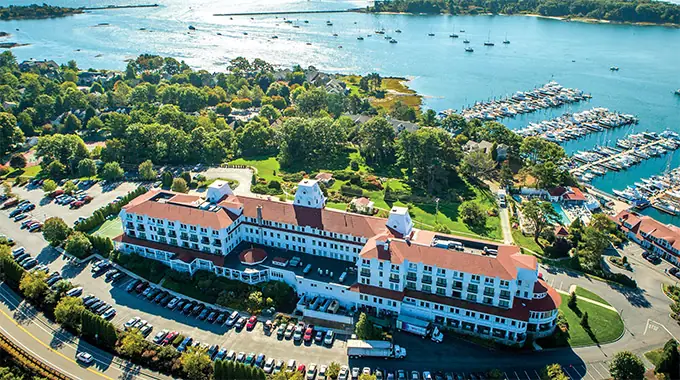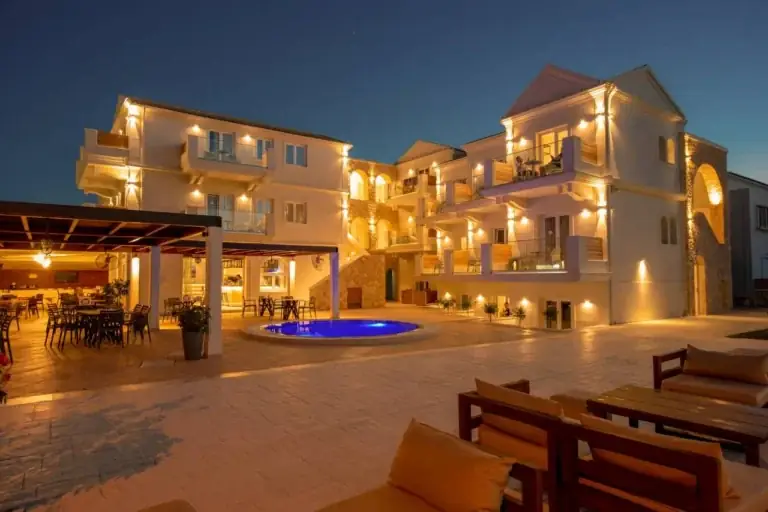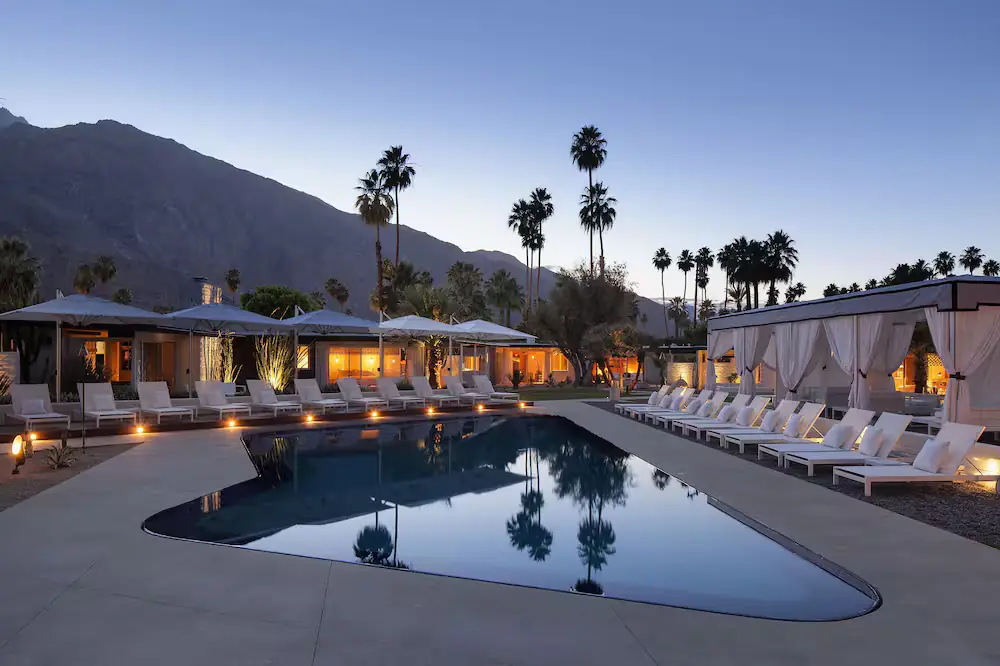
Best Adult Only Resorts USA: The Definitive Evaluation Guide
The contemporary adult-centric hospitality sector within the United States operates at a specialized intersection of acoustic engineering, spatial psychology, demographic zoning, and high-yield asset management. Unlike master-planned family compounds engineered for high-energy transient turnover, corporate business hotels optimized for efficiency, or multi-generational leisure resorts balancing competing developmental needs, premier adult-oriented properties structure their physical infrastructure, operational cadences, and service delivery models entirely around uncompromised quietude, psychological decompression, and temporal autonomy. From private island keys off the Florida coast and cliffside vineyards in Northern California to high-desert wellness sanctuaries in Arizona and historic urban micro-inns in the Southeast, mature-exclusive destination properties represent a distinct real estate and hospitality asset class.
Evaluating high-performing properties restricted to adult clientele requires looking past seductive marketing photography, romanticized promotional copy, and subjective lifestyle awards. A destination’s true operational efficacy depends on the acoustic insulation ratings between adjacent villas, the strictness and consistency of age-restriction enforcement, the ratio of silent communal zones to social gathering spaces, and the degree to which the physical environment isolates guests from family-oriented traffic. A hotel or resort marketed as an intimate romantic escape may operate in practice with loose age-validation policies, resulting in unexpected demographic friction during peak school-holiday windows.
Understanding these operational distinctions is critical for travel directors, hospitality asset managers, and discerning travelers seeking measurable psychological restoration rather than superficial adult branding. What appears on a booking portal as a seamless sanctuary often conceals strict cancellation penalties, unbundled resort fees, rigid architectural constraints, and stark variations in service velocity. This reference guide establishes an exhaustive analytical framework for auditing, comparing, and navigating adult-oriented destination properties across the United States. By examining historical evolution, valuation models, operational archetypes, real-world failure scenarios, and pre-arrival verification protocols, this document serves as a definitive long-term reference for intentional, mature travel planning.
Understanding “best adult-only resorts USA.”

Evaluating the market of best adult-only resorts USA requires separating sensory marketing from measurable structural performance. Mainstream travel journalism routinely conflates romantic destination marketing with true age-restricted operations, blurring the boundary between properties that merely cater to couples and those that legally enforce strict minimum age thresholds (typically 16, 18, or 21 years of age). Assessing premier properties demands evaluating legal age-covenant compliance, sound-transmission class (STC) architectural ratings, spatial key density, and total cost of stay metrics across distinct regional environments.
Systematically auditing adult resort performance requires analyzing three core structural layers:
-
Legal Age-Threshold Architecture and Enforcement: Evaluating whether a property maintains an unwavering, year-round age minimum without selective holiday exceptions, and assessing how front-desk verification protocols handle reservation compliance.
-
Acoustic Isolation and Spatial Zoning: Assessing structural soundproofing materials between guest rooms and public corridors, the absence of high-decibel family entertainment features (such as large-scale water slides or arcade rooms), and the segregation of social drinking lounges from quiet reflection pools.
-
Temporal Autonomy and Pacing Design: Examining whether daily programming, dining hours, and spa access cater to unstructured adult pacing such as late-morning dining, unhurried wine tastings, and open-ended lounging without rigid scheduling friction.
A pervasive mistake in mature travel planning is assuming that higher room tariffs automatically guarantee an adult-only environment. Several ultra-luxury grand hotels command four-figure nightly rates while welcoming hundreds of children during school breaks, creating intense demographic contrast around primary pool decks and dining venues. Conversely, boutique properties with lower headline rates achieve absolute acoustic and demographic consistency through strict age-exclusion covenants.
Furthermore, the legal landscape governing age-restricted commercial lodging in the United States requires careful navigation. While federal fair housing laws regulate permanent residential communities, commercial hospitality operators possess broad legal latitude to establish age-restriction policies as a matter of brand positioning and guest safety, provided such policies comply with state public accommodation statutes. Navigating these dynamics requires aligning personal psychological recovery goals with the exact legal, architectural, and operational reality of the host property.
Deep Contextual Background: From Poconos Heart-Shaped Tubs to Modern Boutique Sanctuaries
The architecture of American adult-centric hospitality evolved through distinct cultural, economic, and design phases over the past century. In the mid-twentieth century, the concept of couples-only travel gained mainstream visibility through pioneering properties in the Pocono Mountains of Pennsylvania. These mid-century resorts introduced theatrical romantic novelties, such as circular beds, heart-shaped whirlpool tubs, and indoor champagne-glass pools. While commercially successful during the 1960s and 1970s, these early iterations leaned heavily into kitsch and novelty, prioritizing thematic styling over architectural refinement or holistic relaxation.
During the late twentieth century, the rise of boutique design hotels and secluded destination spas shifted the paradigm toward sophisticated, minimalist luxury. Developers and independent operators recognized that mature travelers sought quietude, culinary excellence, privacy, and architectural integration rather than theatrical excess. Properties like Post Ranch Inn in Big Sur and Little Palm Island in the Florida Keys redefined the category by embedding low-density luxury into fragile, breathtaking natural ecosystems: cliffside coastal bluffs and private tropical keys.
In the twenty-first century, the proliferation of digital connectivity and urban over-stimulation accelerated the demand for radical disconnection. Modern adult resorts shifted their operational focus toward sensory decompression, culinary provenance, farm-to-table dining, and wellness programming tailored explicitly to mature professionals and couples.
Today, evaluating mature destination assets requires navigating a diverse spectrum spanning private island seaplane hideaways, Napa Valley vineyard estates, high-desert canyon sanctuaries, and historic urban boutique inns that explicitly exclude children, pets, and large corporate groups to protect their distinct operational atmosphere.
Conceptual Frameworks and Mental Models for Adult Resort Asset Evaluation
Objective comparison of premier mature destination properties requires analytical models that look past promotional imagery to isolate acoustic privacy, temporal autonomy, and net financial value.
1. The Acoustic Decibel to Key Density Index (ADKDI)
This framework evaluates the acoustic privacy of a property by correlating the physical key count and spatial density against the structural sound transmission class (STC) ratings of walls, windows, and doors. High-ADKDI properties feature low key counts per acre, heavy masonry or double-stud wall construction, solid-core doors, and strict noise-abatement policies in public areas, ensuring that guests experience near-zero ambient noise transfer.
2. The Temporal Pacing & Autonomy Coefficient (TPAC)
This model measures how successfully a resort accommodates unhurried, adult-oriented daily rhythms. It assesses dining hour flexibility (such as extended breakfast windows), the absence of rigid morning activity schedules, the elimination of mandatory group programming, and the capacity for guests to curate their time without administrative friction.
3. The True Net Mature Stay Cost Metric (TNMSCM)
This model calculates the complete financial outlay of an adult-oriented trip by combining baseline room tariffs, mandatory daily resort fees, private transfer outlays (such as seaplane or boat charters to private islands), unbundled dining and beverage markups, and spa service charges, minus bundled consortia credits.
Key Categories and Structural Variations in Adult-Centric Hospitality
Premier domestic adult-oriented destinations fall into distinct operational and architectural archetypes, each reflecting specific geographic settings, service models, and privacy thresholds.
| Resort Archetype | Primary Geographic Region | Privacy & Key Density | Culinary & Beverage Focus | Primary Operational Trade-Off / Vulnerability |
| Private Island Hideaways | Florida Keys, Coastal Waters | Extremely low density; detached bungalows | High-end coastal fine dining, cellar wine lists | Highly vulnerable to marine weather and hurricane logistics |
| Wine Country & Vineyard Sanctuaries | Northern California (Napa/Sonoma) | Low-density hillside suites and villas | Michelin-starred dining, estate wine pairing programs | High baseline room tariffs; heavy weekend tasting traffic |
| High-Desert Wellness Compounds | Arizona, Southern Utah | Sprawling casita footprints; quiet desert isolation | Nutrient-dense, organic wellness cuisine; alcohol restricted | Extreme summer heat; strict wellness or digital focus |
| Historic Urban Micro-Inns | Historic Southeast & Coastal Towns (e.g., Charleston, Galveston) | Intimate urban footprints (8–25 rooms) | Local culinary partnerships, artisan breakfasts, cocktail lounges | Limited on-site recreational amenities and parking |
| Alpine & Mountain Couples Lodges | Rocky Mountains, Pacific Northwest | Secluded cabins and timber lodges | Hearthside dining, wine cellars, craft cocktail menus | Seasonal weather variability; complex mountain transit |
| Tropical All-Inclusive Bungalows | Florida Keys, Caribbean-adjacent US waters | Waterfront bungalow compounds | Comprehensive all-inclusive meals and premium spirits | Premium upfront package pricing; fixed activity footprints |
Exemplary Mature Destination Profiles
Examining flagship properties across these categories illustrates how regional landscape, architectural design, and privacy protocols shape the adult guest experience:
Little Palm Island Resort & Spa (Little Torch Key, Florida)
Accessible exclusively via private boat or seaplane, this four-acre private island sanctuary in the Florida Keys enforces a strict 18-and-older policy. Thirty thatched-roof oceanfront suites are deliberately free of televisions and telephones, emphasizing complete digital detoxification and seaside privacy.
-
Strengths: Unrivaled island seclusion within the continental United States, pristine white-sand beach access, and absolute freedom from family resort congestion.
-
Trade-Offs: Substantial financial investment required, high weather vulnerability during Atlantic tropical storm seasons, and limited physical land acreage for walking.
Auberge du Soleil (Rutherford, Napa Valley, California)
Perched on a hillside overlooking the Napa Valley, this renowned luxury property operates as a serene, adult-oriented wine-country retreat featuring hillside suites and private villas nestled among olive groves.
-
Strengths: Spectacular panoramic valley views, world-class Michelin-starred dining, and deep integration with Napa’s premier wine-tasting culture.
-
Trade-Offs: High baseline nightly tariffs and strict cancellation and reservation policies during peak autumn harvest windows.
Post Ranch Inn (Big Sur, California)
Set on a dramatic coastal cliff 1,200 feet above the Pacific Ocean along the rugged California coast, Post Ranch Inn maintains an adult-only policy (18+) across its organic architecture, treehouses, and cliff-house suites.
-
Strengths: Breathtaking architectural harmony with nature, profound acoustic and visual isolation, and commitment to sustainable luxury.
-
Trade-Offs: High demand requires booking many months in advance, and coastal fog can occasionally obscure ocean vistas.
Sanctuary Camelback Mountain / Select Boutique Deserts (Paradise Valley, Arizona)
While larger resorts feature family zones, boutique desert properties like elements of Sanctuary or ultra-private compounds such as Sensei Porcupine Creek provide tranquil adult environments supported by world-class spa facilities and fine dining.
-
Strengths: Immersive desert landscapes, exceptional spa execution, and mild winter/spring climates.
-
Trade-Offs: Summer months bring extreme heat that restricts daytime outdoor activity.
Realistic Decision Logic for Property Selection
Matching demographic preferences with the right resort archetype prevents costly planning mismatches:
-
Prioritizing Absolute Island Seclusion & Digital Detox: Select Little Palm Island or isolated coastal micro-resorts. These properties eliminate mainland noise and distractions, creating a true remote sanctuary.
-
Targeting Wine Country Elegance & Culinary Sophistication: Choose Auberge du Soleil or Napa/Sonoma boutique vineyard estates. These locations pair luxury hospitality with world-class viticulture and fine dining.
-
Seeking High-Desert Silence & Minimalist Modernism: Deploy Post Ranch Inn or high-desert architectural retreats. These destinations offer dramatic natural vistas and quiet spatial geometry designed for deep reflection.
Detailed Real-World Scenarios and Operational Stress Testing
Examining how mature travel itineraries behave under real-world operational stress exposes hidden vulnerabilities in age-policy enforcement, acoustic leakage, and logistical transfers.
The Ambiguous Age-Policy Enforcement Failure
-
Constraints: A couple books a high-tariff boutique resort marketed as a “romantic couples’ escape,” expecting a quiet, mature environment.
-
Decision Points: Relying on marketing terminology (“couples retreat”) rather than auditing the property’s written age-restriction covenant before booking.
-
Failure Modes: Upon check-in, the couple discovers several families with young children occupying adjacent villas because the property lacks a legally binding 18+ or 21+ age-restriction rule, permitting minors during school holiday waivers.
-
Second-Order Effects: The anticipated quietude is disrupted by family pool noise, invalidating the primary motivation for selecting the property and creating front-desk conflict.
Private Island Transfer Weather Disruptions
-
Constraints: Travelers book a four-night stay at a private island resort accessible solely via scheduled resort watercraft and seaplane transfers.
-
Decision Points: Booking tight airline connections without building buffer hours to accommodate maritime transfer delays.
-
Failure Modes: A sudden coastal squall or high-wind advisory prompts the Coast Guard or resort marine captain to suspend boat and seaplane transfers for six hours.
-
Second-Order Effects: Guests miss their first evening dining reservation and opening night accommodation, illustrating the logistical risks of isolated insular destinations.
Unintended Acoustic Contagion in Historic Urban Inns
-
Constraints: A couple books a historic 19th-century bed-and-breakfast in a vibrant downtown historic district, seeking a peaceful weekend retreat.
-
Decision Points: Overlooking the physical proximity of historic inns to active nightlife corridors and street thoroughfares.
-
Failure Modes: While the inn itself enforces an adult-only guest policy, historic lath-and-plaster walls lack modern soundproofing, and street-level weekend nightlife noise penetrates the guest room until 2:00 AM.
-
Second-Order Effects: Sleep is severely compromised, demonstrating that acoustic isolation depends as much on structural engineering as on guest demographics.
High-Tariff Unbundling and Dining Bottlenecks
-
Constraints: Travelers book an exclusive adult-only lodge charging $1,500 per night, assuming all-inclusive dining terms apply.
-
Decision Points: Failing to verify whether the property operates on a European Plan (room only) or American Plan (all meals included).
-
Failure Modes: Because the property operates as an unbundled hotel with only one on-site fine-dining restaurant, table reservations are fully booked weeks ahead by local non-hotel diners, and à la carte bills add $400 daily.
-
Second-Order Effects: Guests face unexpected dining friction and high incidental expenses, straining the trip’s overall budget.
Planning, Cost, and Resource Dynamics
Evaluating adult resort expenditure requires separating base lodging tariffs from mandatory resort fees, private transfer logistics, and fine-dining outlays.
Direct vs. Indirect Cost Architecture
Headline nightly room rates represent only one component of mature travel expenditure. Direct costs encompass baseline suite tariffs and pre-booked dining packages. Indirect costs include mandatory daily resort fees ($40 to $95 per night), overnight valet parking ($40 to $75 per night), private island transfer fees ($200 to $600+ round trip), spa service charges (20 to 24 percent), and premium wine and beverage markups.
In premier adult-oriented destinations, unbundled fees and fine-dining outlays routinely add 35 to 50 percent to baseline lodging costs.
| Cost Component | Boutique Urban Adult Inn | Wine Country Vineyard Suite | Private Island Seaplane Hideaway |
| Base Room Rate (Per Night) | $250 – $450 | $700 – $1,400 | $1,500 – $3,500+ |
| Mandatory Resort & Parking Fees | $0 – $30 / night | $40 – $75 / night | Included / Insular transfer fees |
| Private Island / Remote Transfers | $0 (Self-drive / Uber) | $0 (Rental car / Valet) | $300 – $800 (Seaplane / Private boat) |
| Fine Dining & Wine Outlays | $100 – $200 /person/dayy | $250 – $450 / person/day | $300 – $600 / person/day |
| Spa & Wellness Treatments | $200 – $350 / treatment | $250 – $500 / treatment | $300 – $650 / treatment |
| Estimated Daily Couple Outlay | $550 – $950 / day | $1,200 – $2,350 / day | $2,300 – $4,800+ / day |
Tools, Strategies, and Technical Support Systems
Optimizing mature travel requires leveraging acoustic mapping, direct property verification, and luxury consortia networks while recognizing their practical limits.
-
Explicit Age-Covenant Verification Audits
-
Utility: Contacting the property’s general manager or head of guest relations directly to verify whether their age-restriction policy is binding 365 days a year prevents unpleasant surprises during school breaks.
-
Limits: Front-desk staff can occasionally misinterpret policy nuances regarding visiting family day passes.
-
-
Luxury Consortia Preferred Partner Channels
-
Utility: Reserving adult luxury properties (such as Post Ranch Inn, Auberge resorts, or Little Palm Island) through accredited luxury advisors unlocks daily full breakfast, $100 to $200 property credits, and priority room upgrades at standard rates.
-
Limits: Cannot override strict multi-night minimum stay rules during peak holiday windows.
-
-
Satellite Architectural & Proximity Mapping
-
Utility: Cross-referencing property coordinates against high-resolution satellite imagery evaluates whether guest casitas are shielded from public roadways, neighboring commercial strips, or noisy public beaches.
-
Limits: Satellite imagery cannot display interior wall soundproofing quality or acoustic window seals.
-
-
Direct Property Management System (PMS) Rate Trackers
-
Utility: Monitoring direct property booking engines tracks seasonal shoulder-window rate drops and exclusive romance packages that third-party aggregators omit.
-
Limits: Requires manual calendar checking across multiple boutique properties.
-
-
Private Transfer Logistics Coordination
-
Utility: Pre-arranging private vehicle, helicopter, or boat charters through the resort’s dedicated concierge ensures seamless transit from regional airports to remote island or mountain properties.
-
Limits: Subject to real-time weather and marine safety holds.
-
-
Acoustic & Floor-Plan Room Selection
-
Utility: Requesting top-floor rooms or freestanding corner bungalows away from main foot-traffic pathways and ice machines guarantees optimal acoustic privacy.
-
Limits: Historic properties with fixed structural layouts offer limited room selection flexibility.
-
Risk Landscape, Failure Modes, and Compounding Disruption
Mature travel carries distinct psychological, logistical, and financial risks that frequently compound when expectations clash with operational realities.
Taxonomy of Adult Resort Failure Modes
-
The Age-Policy Ambiguity Breach: Booking a property assuming it is adult-only, only to find families with children present because the hotel enforces adult-only rules solely in specific spa or pool zones rather than across the entire property.
-
Insular Isolation Vulnerability: Booking a remote island or deep-wilderness retreat during shoulder seasons when adverse weather suspends transport and limits on-site dining options.
-
Acoustic Contagion in High-Density Boutique Spaces: Selecting a property where tight architectural spacing allows ambient conversation or pool noise to penetrate adjacent suites.
-
Strict Cancellation Covenant Exposure: Adult luxury properties enforce rigorous cancellation policies (often requiring 30 to 60 days’ notice for full refunds) due to small key counts, exposing travelers to financial loss during unexpected emergencies.
Compounding failure cascades often begin when travelers book an unverified property through a third-party aggregator based solely on romantic photography, arriving to find a compromised acoustic environment and inflexible management policies.
Governance, Maintenance, and Pre-Arrival Verification Protocols
Protecting both financial investment and the psychological need for tranquility requires executing a structured pre-arrival verification workflow prior to departure.
Pre-Arrival Adult Resort Audit Checklist
Execute these verification steps 30 to 10 days before departure to eliminate friction:
-
Binding Age-Policy Confirmation: Secure written confirmation from management detailing the property’s strict minimum age threshold and verifying that no family exemptions apply during your stay dates.
-
Standalone Casita or Quiet-Wing Assignment: Request room placement in freestanding villas or top-floor corner suites away from central stairwells, kitchens, and social lounges.
-
Transfer & Weather Contingency Plan: Confirm backup transfer protocols for remote island or mountain properties in the event of high winds, storms, or mechanical delays.
-
Dining & Spa Slot Reservation Lock: Pre-book all fine-dining tables and signature spa treatments before arrival to avoid sold-out capacity bottlenecks.
Measurement, Tracking, and Evaluation Frameworks
Assessing the true success of an adult-oriented travel experience requires tracking both financial transparency and qualitative psychological restoration metrics.
Quantitative vs. Qualitative Evaluation Matrix
-
Quantitative Metrics: True All-In Cost Per Restorative Day, Transfer-to-Stay Time Efficiency Ratio, Ancillary Fee Overrun Percentage, and Sleep Duration/Efficiency Delta during the trip.
-
Qualitative Signals: Perceived Acoustic Tranquility, Staff Discretion and Service Velocity, Spatial Privacy and Visual Seclusion, and Overall Nervous-System Decompression.
-
Leading vs. Lagging Indicators: Written age-policy confirmation, freestanding room selection, and off-peak scheduling serve as leading indicators of success. Post-trip psychological renewal and sustained reduction in work-related stress represent lagging indicators of true execution quality.
Common Misconceptions and Structural Oversimplifications
Mainstream travel media frequently perpetuates oversimplifications regarding adult-only hospitality that lead to poor destination selection and unexpected frustration.
- Myth 1: “Adult-Only” Automatically Implies Adult Entertainment or Hedonistic Theming
-
Correction: While some historical or niche resorts cater to specific adult lifestyles, the vast majority of premier adult-only luxury resorts in the United States focus entirely on sophisticated quietude, fine dining, architecture, and wellness.
- Myth 2: All Luxury Hotels Offer Adults-Only Zones That Provide Complete Sanctuary
-
Correction: While major luxury hotels feature adult-only pools, shared resort corridors, elevators, lobbies, and restaurants remain heavily populated by families and children, failing to deliver campus-wide quietude.
- Myth 3: Small Boutique Adult Inns Always Offer Superior Soundproofing
-
Correction: Historic 19th-century boutique inns often suffer from thin lath-and-plaster walls that transmit sound easily, making modern concrete or heavy timber construction superior for acoustic privacy.
- Myth 4: Booking Through Discount Aggregators Yields Identical Adult Resort Benefits
-
Correction: Third-party booking channels frequently assign discount inventory to rooms located near service areas or noisy courtyards, compromising the quietude that defines the adult travel experience.
Ethical, Environmental, and Regional Economic Considerations
Operating exclusive, low-density hospitality infrastructure in fragile environments carries profound environmental and socioeconomic responsibilities.
Sustainable Stewardship in Fragile Ecosystems
Many premier adult-oriented retreats occupy sensitive ecological zones—such as Big Sur coastal bluffs, fragile Florida Keys keys, or high-desert arroyos. Responsible operators invest in advanced wastewater treatment, solar microgrids, native xeriscaping, and strict wildlife protection covenants to ensure that luxury hospitality does not degrade local habitats.
Labor Equity and Discreet Service Excellence
Maintaining immaculate service standards across low-key-count luxury properties requires stable, highly compensated professional staff who master the art of discreet, anticipatory hospitality without corporate over-standardization.
Conclusion
Evaluating the best adult-only resorts in the USA effectively requires looking beyond seductive romantic marketing, sepia-toned photography, and superficial age-tag claims. Achieving true psychological decompression, acoustic privacy, and financial predictability demands an analytical approach grounded in verifying binding age covenants, auditing acoustic engineering, modeling unbundled trip costs, and evaluating spatial key density.
By applying structured evaluation frameworks such as the Acoustic Decibel to Key Density Index, the Temporal Pacing & Autonomy Coefficient, and the True Net Mature Stay Cost Metric, travelers and asset planners can match resort architecture to their exact need for restorative quietude. Combining binding pre-arrival policy confirmations with strategic room selection and weather-aware transit planning ensures a seamless, transparent, and deeply restorative adult travel experience.